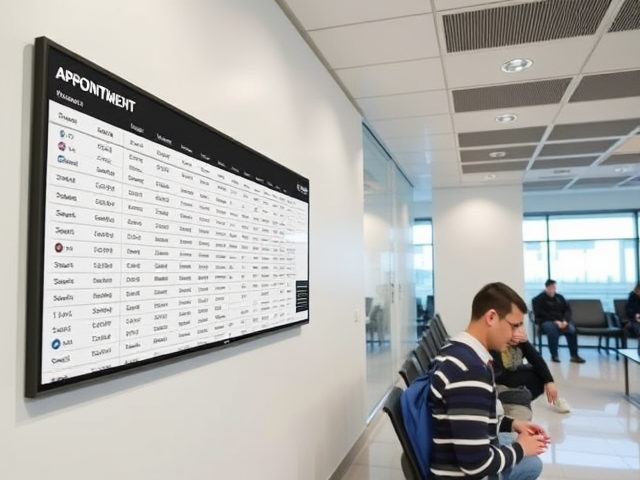
appointment-only systems creating a false sense of efficiency

Are Appointment-Only Systems Creating a False Sense of Efficiency?

Blog | Last Updated: May 3, 2026

The Illusion of Seamless Service

Walk into any modern clinic, bank, or service centre today, and you will notice a striking difference. The crowded waiting rooms and visible queues have largely vanished.

In their place, customers arrive at scheduled times, guided by digital appointment scheduling platforms. On the surface, this shift feels like a massive operational victory. No lines. No chaos. No waiting. But is it truly efficient, or are appointment-only systems simply masking the underlying friction? While the physical queue is gone, the reality of service delivery often tells a different story.


appointment-only systems in modern healthcare and retail

Why It Feels So Efficient

The psychological comfort of a scheduled time slot is undeniable. When customers book a specific window, they feel a sense of control and predictability. Businesses, in turn, enjoy the operational clarity of pre-allocated time blocks. This perceived efficiency stems from three main factors:

First, the removal of visible queues eliminates the immediate stress of uncertainty. Second, staff can theoretically prepare for each visit, reducing idle time between customers. Third, the environment appears calmer, which subconsciously signals to visitors that the organisation is well-managed. However, this perception often crumbles when real-world variables disrupt the schedule.

The Hidden Friction Behind the Schedule

Even the most meticulously planned appointment-only systems face daily disruptions. When delays occur, the customer experience often deteriorates faster than in a traditional queue. Here is why the schedule alone cannot guarantee efficiency:

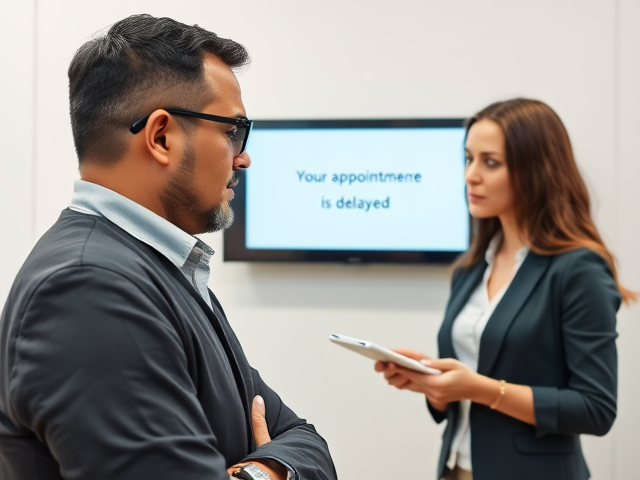
delayed appointments causing customer frustration

Compounding Delays

When one appointment runs over, the entire chain shifts. A 10-minute delay at 10 AM can cascade into a 40-minute wait by 2 PM, leaving customers stranded without clear visibility.
psychology of waiting in scheduled systems

Broken Expectations

Customers expect precision when they book a slot. When that precision fails, frustration spikes. The psychological contract of "scheduled time = guaranteed service" is easily broken by poor real-time management.
hidden backlogs in digital appointment scheduling

Shifting, Not Solving

Appointment systems often shift the queue from the waiting room to the staff's digital dashboard. The problem isn't solved; it is merely hidden from the customer until they are called back.

This is where true customer experience optimisation begins. Relying solely on digital appointment scheduling without dynamic queue management leaves businesses vulnerable to operational blind spots. The goal isn't to abandon scheduling, but to pair it with intelligent oversight.

Industry-Specific Realities: Retail vs Healthcare

When evaluating whether scheduling improves efficiency, context is everything. The impact varies drastically depending on the sector, service complexity, and customer expectations.

Does appointment-only scheduling improve efficiency in Australian retail?

In retail and service centres, appointments work best for high-value, time-intensive interactions like vehicle servicing, appliance repairs, or premium consultations. For quick transactions, they can actually reduce foot traffic and lower impulse purchases. The key is hybrid flexibility.

Impact of appointment-only systems on healthcare wait times in Australia

In healthcare, the stakes are higher. While appointments reduce overcrowding, they often create rigid bottlenecks when emergencies or complex cases arise. Without real-time triage and dynamic rescheduling, appointment-only systems can inadvertently increase perceived wait times for urgent cases.

The Middle Ground: Adaptive Scheduling

Businesses that thrive don't choose between walk-ins and appointments. They use queue management software to blend both, dynamically adjusting capacity based on real-time demand, staff availability, and service duration.

Building True Efficiency: Beyond the Calendar

To eliminate the false sense of efficiency, organisations must implement systems that manage reality, not just expectations. Here is how forward-thinking businesses are bridging the gap:

queue management software for appointment optimisation

Dynamic Buffer Allocation

Intelligent systems automatically insert 5-10 minute buffers between appointments to absorb overruns, preventing cascading delays.

Real-Time Wait Transparency

Customers receive accurate, live updates on their status via SMS or portal, transforming uncertainty into managed expectations.

Hybrid Queue Integration

Seamlessly merging walk-ins, appointments, and virtual queues into a single priority-based flow prevents bottlenecks.

Staff Workload Balancing

Automated routing ensures no single provider is overloaded, maintaining consistent service quality across all time slots.

Predictive Analytics

Historical data identifies peak disruption times, allowing managers to proactively adjust staffing and scheduling rules.

Automated Rescheduling

When delays occur, the system instantly offers affected customers alternative slots, preserving trust and reducing no-shows.

Unified Customer Portal

A single interface for booking, checking status, and receiving updates eliminates communication gaps and support tickets.

Moving From Perception to Reality

Appointment-only systems are not inherently flawed. They are a powerful tool for demand planning. However, treating them as a complete solution to queue management creates a dangerous blind spot. True efficiency isn't about eliminating the queue; it's about managing the experience of waiting with transparency, flexibility, and intelligent oversight.

Businesses that pair digital appointment scheduling with adaptive queue management software stop guessing and start optimising. They reduce operational friction, protect staff morale, and deliver the predictability customers actually expect. The future of service isn't just scheduled—it's responsive.
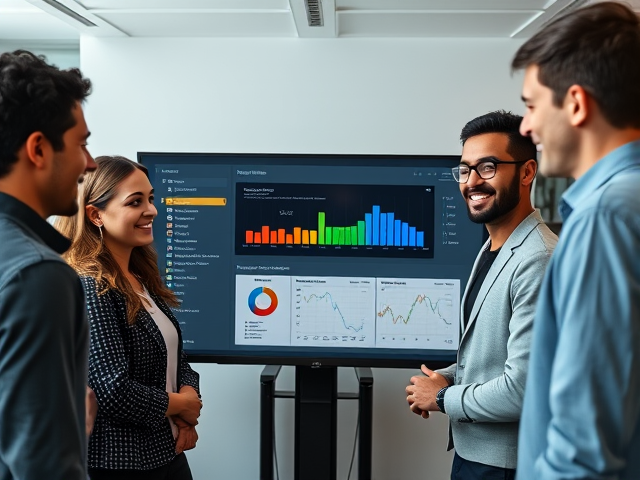
customer experience optimisation through adaptive scheduling

Stop Managing Schedules. Start Managing Experiences.

Ready to eliminate the false sense of efficiency and build a truly responsive service environment? Discover how QueueBee’s intelligent queue management software transforms appointment scheduling into dynamic, real-time customer experience optimisation.
Contact us today to implement adaptive scheduling that works as hard as you do.


Get In Touch

QueueBee Solution Pty Ltd

913/687, La Trobe Street, Docklands, VIC 3008, Australia
iso logo
Whatsapp