
Walk into any major bank branch in Sydney, Melbourne, or Brisbane during peak hours and you will likely encounter the same scene: customers standing in long physical lines, digital displays showing ever-increasing wait numbers, and staff overwhelmed by the sheer volume of walk-in visitors. For decades, this has been the accepted norm in Australian banking. But the landscape is shifting rapidly.
Australian consumers now expect the same level of convenience and speed from their banking experience as they do from their online shopping, food delivery, and ride-sharing services. When a customer spends 25 to 40 minutes waiting in a bank queue, the frustration does not end at the teller window. It follows them into their interaction with the staff, colours their perception of the entire brand, and often determines whether they stay loyal or switch to a competitor. A modern queue management system is no longer a luxury for banks; it is an operational necessity.
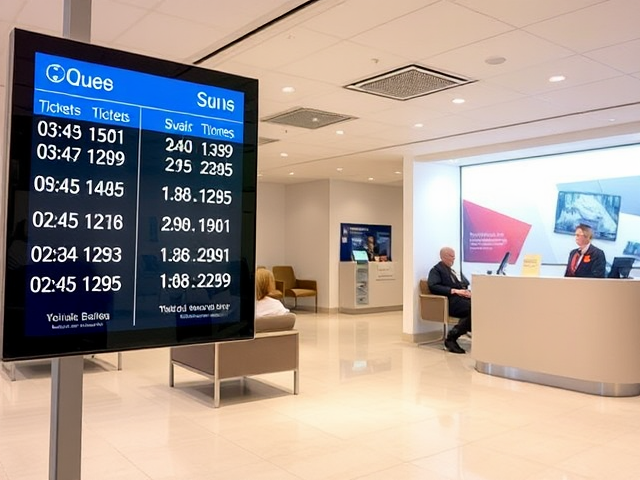
The Australian banking sector operates under intense competitive pressure. With the rise of neobanks, digital-first financial platforms, and increasingly tech-savvy consumers, traditional branch banking can no longer rely on convenience alone. Customers who still visit a physical branch do so for complex transactions, financial advice, and relationship banking. They do not want to waste that valuable time standing in line.
A smart queue system transforms the branch experience from a source of frustration into a demonstration of operational excellence. By implementing a queue management system that combines self-service check-in, virtual queuing, and real-time analytics, banks can reduce average wait times by up to 60 per cent. This is not merely a convenience improvement; it is a strategic move that protects revenue, boosts staff morale, and strengthens customer loyalty in a market where switching costs are lower than ever.
Core Components Of A Smart Queue System
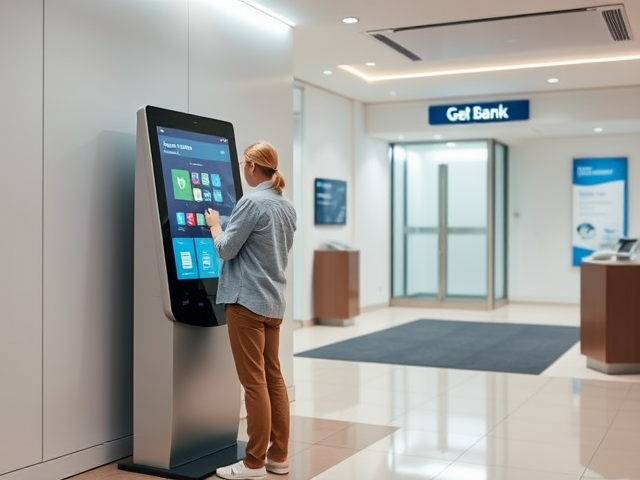


Australian bank customers tolerate an average wait time of just 5 to 10 minutes before their satisfaction begins to drop sharply. Beyond that threshold, frustration sets in, and the quality of every subsequent interaction suffers. A smart queue system directly addresses this by intelligently routing customers, balancing workload across service points, and eliminating the inefficiencies of first-come-first-served physical lines.
When a queue management system is deployed across multiple branches, banks consistently report wait time reductions of 40 to 60 per cent. Customers who once endured 25-minute waits now experience service within 8 to 10 minutes. This dramatic improvement does not happen by accident; it is the result of intelligent queue prioritisation, real-time monitoring, and automated service routing working together seamlessly.
The financial impact is equally significant. Every minute saved per customer translates into higher throughput, more transactions processed per day, and a measurable increase in branch productivity. For a bank processing thousands of walk-in customers weekly, the cumulative time savings and revenue protection are substantial.
Uncertainty is the enemy of customer satisfaction. When a bank customer joins a queue, they want to know exactly where they stand, how long they will wait, and when their turn is approaching. A modern queue system eliminates the anxiety of the unknown by providing continuous, transparent updates throughout the entire waiting process.
Here is how transparent queue updates improve the banking experience:
By integrating seamless communication into the queuing process, banks demonstrate respect for their customers' time. Whether through a mobile app, SMS, or in-branch digital displays, customers stay informed and engaged. This not only smooths out the waiting experience but also reinforces the bank's commitment to modern, customer-centric service.
In a busy bank branch, the biggest operational challenge is often not a lack of staff but the misalignment of staff availability with customer demand. A queue management system provides the visibility needed to make intelligent staffing decisions in real time.
Efficient staff allocation is vital for any customer-facing financial institution. It is not just about guiding people; it is about creating an orderly, productive environment where customers feel respected and staff feel supported. This approach does not just solve logistical issues; it elevates the entire branch experience.

In today's competitive banking landscape, customer satisfaction is the primary differentiator between institutions that thrive and those that stagnate. A queue management system plays a pivotal role in elevating satisfaction metrics across every touchpoint of the branch visit:
Effective customer service is a continuous journey of understanding and responding to customer needs. Implementing a robust queue management system is a powerful step in this journey, ensuring that every branch interaction counts towards building a strong, lasting relationship with your customers.

Bank tellers and branch advisors face immense pressure daily. Long queues mean more complex customer interactions, higher emotional labour, and greater likelihood of errors under stress. When a queue management system takes over the logistical burden of queue management, staff can focus entirely on what they do best: delivering expert financial service.
Consistently managing overwhelmed queues leads to burnout, increased turnover, and declining service quality. A smart queue system alleviates this pressure by smoothing demand curves, providing clear service priorities, and ensuring that every customer is served in a timely, organised manner.
QueueBee's queue management system software makes a world of difference. By streamlining the waiting process, enabling virtual queuing, and providing real-time operational visibility, much of the daily stress on branch staff is eliminated. No more dealing with frustrated customers caught in endless physical lines.
When staff are not constantly managing chaos, they are free to deliver exceptional service. They can focus on financial advice, relationship building, and problem-solving. This not only improves morale among the team but also elevates the overall service quality that Australian customers increasingly demand.
In the world of banking, operational inefficiencies directly impact the bottom line. Long, unmanaged queues lead to lost transactions, higher staffing costs, and increased customer acquisition costs as frustrated clients switch to competitors. A smart queue system addresses each of these cost centres systematically.
QueueBee's Queue Management System Makes a Difference:
The financial impact of a system like QueueBee's can be substantial. By improving productivity and efficiency, it opens the door to significant operational cost savings. Banks that have deployed QueueBee report an average reduction in queue-related operational costs of up to 35 per cent within the first year.
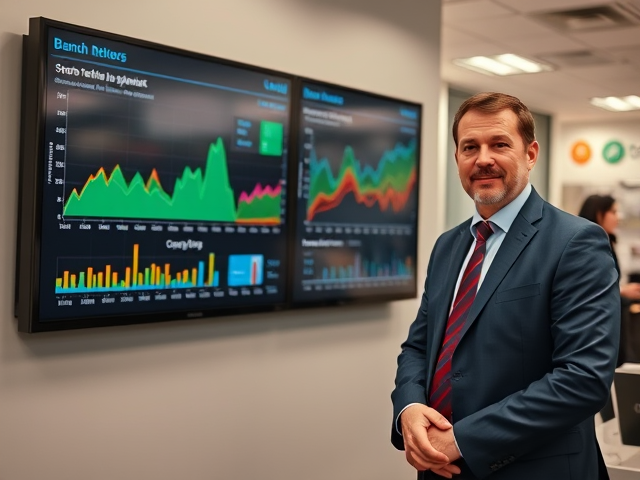
A smart queue system does more than manage lines; it provides rich data across the entire customer journey within the branch. This data is key to making smarter, more informed decisions about branch operations, staffing, and service design.

Not every queue management system is built for the unique demands of banking. QueueBee has been purpose-designed for financial institutions, with features that address the specific challenges of branch banking in Australia:
QueueBee is not just another queue system. It is a purpose-built queue management system designed specifically for the Australian banking sector, combining proven technology with deep industry understanding to deliver measurable results from day one.
The Australian banking sector is undergoing a profound transformation. While digital channels continue to grow, physical branches remain essential for complex transactions, financial advice, and relationship banking. The branches that thrive will be those that combine the efficiency of technology with the warmth of human service.
A smart queue system is the foundation of this transformation. It eliminates the friction that drives customers away, empowers staff to deliver their best work, and provides the data needed to continuously improve branch operations. Banks that invest in a modern queue management system today will be the ones that lead the market tomorrow.
The question is no longer whether Australian banks need a queue management system. The question is which bank will deploy it first and reap the competitive advantage that comes with shorter waits, happier customers, and more efficient branches.
Ready to transform your bank branch experience? Discover how QueueBee's smart queue management system can reduce waiting times by up to 60 per cent, improve customer satisfaction, and streamline branch operations across your entire network.
Contact us today for a personalised demo and see why Australian banks trust QueueBee.