
Australian bank customers today expect seamless, fast, and hassle-free service. Yet, many branches still struggle with long queues, unpredictable wait times, and frustrated patrons who leave without being served. For banks, the customer experience is no longer a differentiator — it is a baseline expectation. When customers walk into a branch and face a crowded waiting area, declining service quality, and unclear queue processes, the damage to brand trust happens instantly.
The reality is that traditional queue management methods are no longer sufficient. Banks need a smart queue system that not only organises customer flow but also delivers real-time visibility, reduces perceived wait times, and ensures every interaction feels intentional and valued. This is where modern queue management system software transforms the banking branch experience from a source of frustration into a competitive advantage.
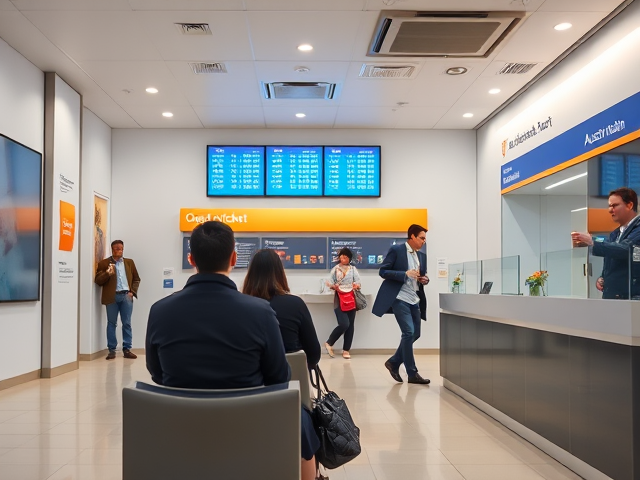
Australia's banking sector is highly competitive, with customers comparing branch service quality against digital banking alternatives and fintech startups. Long waiting times in physical branches directly impact customer experience and drive clients toward competitors or fully digital channels. A recent industry survey found that over 60% of Australian banking customers consider wait time the most frustrating aspect of branch visits.
This is not just a minor inconvenience — it is a business risk. When customers experience poor queue management, they lose confidence in the bank's ability to serve them efficiently. That loss of trust translates into reduced branch visits, lower cross-selling opportunities, and negative word-of-mouth. A smart queue system addresses this by bringing order, transparency, and speed to the branch environment.
Understanding the right queue management system approach is the first step toward reducing branch waiting times effectively.
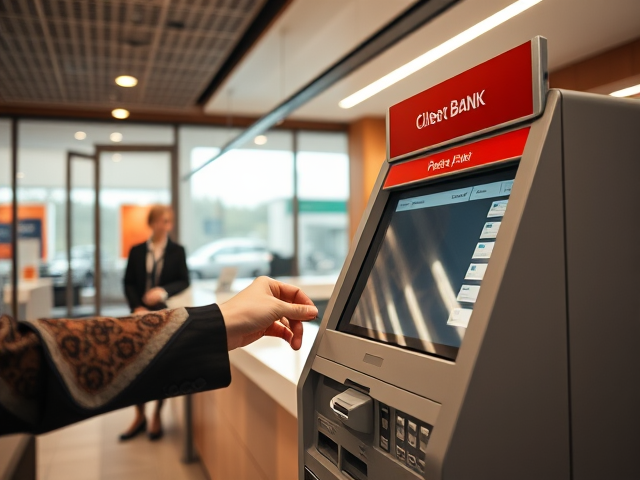

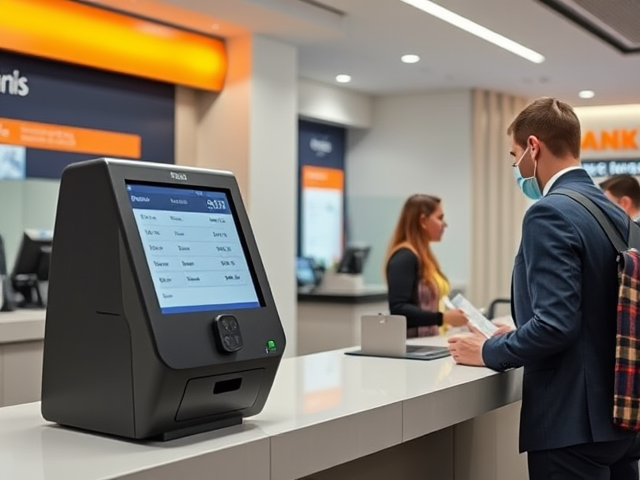
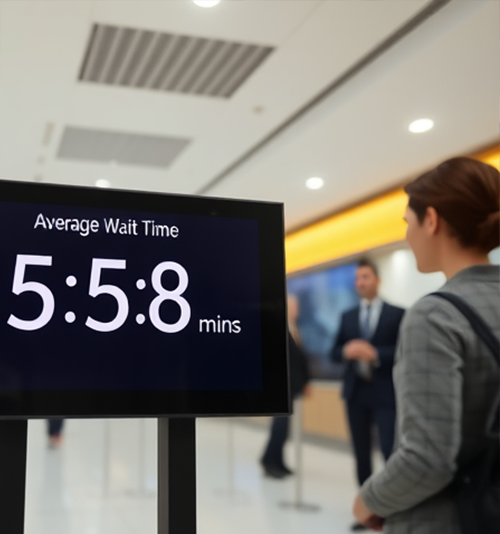
Research shows that the average acceptable wait time in a bank branch is between 5 and 7 minutes. Beyond that threshold, customer satisfaction drops sharply and the likelihood of walkaways increases significantly. For Australian banks, this means that even a small reduction in average wait time can have a measurable impact on customer experience and branch productivity.
A smart queue system tackles this problem at its root. By implementing virtual queuing, appointment scheduling, and real-time queue monitoring, banks can reduce actual wait times by up to 40%. More importantly, the perceived wait time drops even further because customers are informed, engaged, and in control of their waiting experience.
When a queue management system is properly configured, it does not just move people faster through a line — it restructures the entire branch flow. Teller stations are staffed based on live demand, service windows are opened dynamically, and priority banking customers are routed efficiently. The result is a branch that feels faster, calmer, and more professional.
Uncertainty is the enemy of customer experience. When a bank customer has no idea how long they will wait or what their position in the queue is, anxiety builds. A modern queue management system eliminates this uncertainty by providing continuous, transparent communication throughout the customer journey.
Here is how improved communication through a smart queue system transforms the branch experience:
When a queue management system handles communication automatically, the customer experience shifts from passive waiting to active engagement. Customers feel respected, informed, and in control — all of which directly contribute to higher satisfaction scores and stronger brand loyalty.
Australian bank branches vary widely in size, layout, and peak traffic patterns. A queue management system that adapts to real-time conditions is essential for maintaining smooth customer flow and preventing bottlenecks at teller counters, service desks, and priority banking zones.
Efficient crowd management is not about moving people faster through a line — it is about creating a branch environment where customers feel the process is fair, transparent, and professionally managed. A smart queue system makes this possible at scale.

In Australia's banking sector, customer experience is the primary driver of branch loyalty and cross-selling success. When a queue management system removes the friction of waiting, staff can focus on what matters most — delivering quality service and building relationships.
When the customer experience is elevated through intelligent queue management, the benefits extend beyond satisfaction scores. Branch staff report lower stress levels, customers return more frequently, and the bank gains a measurable competitive edge in an increasingly digital marketplace.

Branch staff in Australian banks face immense pressure during peak hours. Long queues, impatient customers, and constant interruptions create a high-stress environment that directly impacts service quality and employee retention. A smart queue system alleviates this pressure by bringing structure and predictability to the branch workflow.
When customers are informed of their queue position and wait time, they are less likely to approach staff repeatedly with the same questions. Digital displays and automated notifications handle the majority of queue-related communication, freeing staff to focus on actual service delivery rather than crowd control.
Branch managers report faster service turnaround, reduced staff burnout, and higher team morale. Staff can plan their workload more effectively, take scheduled breaks without disrupting queue flow, and engage more meaningfully with customers when interactions begin.
And when staff are not constantly managing frustrated customers caught in long lines, they are free to do what they do best: provide attentive, personalised banking service. This not only improves the customer experience but also strengthens the bank's reputation as a professional, customer-centric institution.
Inefficient queue management carries a hidden cost that many Australian banks underestimate. Walkaways, understaffed counters during peak hours, and the need for additional branch capacity all contribute to unnecessary operational expenditure. A smart queue system addresses these inefficiencies systematically.
Key operational cost reductions include:
The financial impact of a well-implemented queue management system is substantial. Australian banks that have adopted smart queue solutions report average operational cost reductions of 15 to 25% in branch management, alongside measurable improvements in customer satisfaction and staff retention.
A modern queue management system does more than manage lines — it captures valuable data across the entire customer journey. For Australian banks, this data is essential for making informed decisions about branch operations, staffing, and service design.

Australian banks that adopt a smart queue system see measurable improvements in branch efficiency, customer satisfaction, and operational cost reduction. QueueBee's queue management system is designed to help banks reduce branch waiting times, streamline customer flow, and deliver a superior customer experience across every branch location.
Contact us today for a personalised demonstration