Australia's service industry has undergone a dramatic transformation over the past decade. From healthcare clinics in Sydney to retail chains in Melbourne, from government offices in Brisbane to hospitality venues in Perth, customers now expect seamless, frictionless experiences from the moment they arrive. Long queues, unpredictable wait times, and chaotic customer flow are no longer acceptable in a market that values efficiency and convenience.
The Australian business landscape in 2026 demands a reliable queue management system that can handle everything from physical ticketing to virtual queuing, from appointment scheduling to real-time customer journey tracking. Businesses that fail to modernise their queue processes risk losing customers to competitors who have already embraced smarter solutions. A well-implemented queue system does more than just organise lines — it transforms the entire customer experience, boosts staff productivity, and provides actionable data that drives business growth.
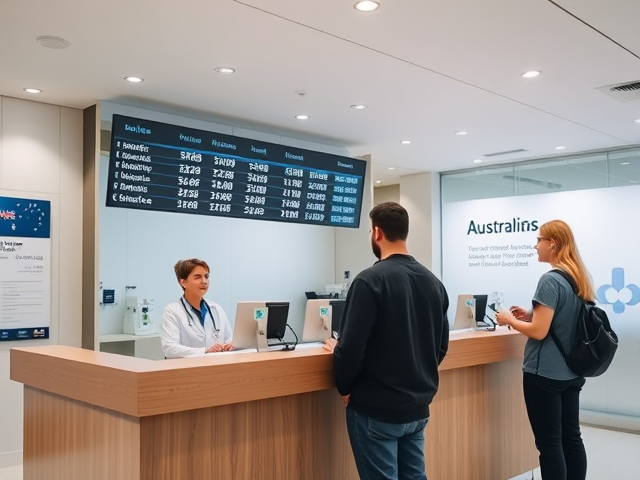
Australia's service sector is highly competitive, with consumers who are increasingly informed, impatient, and unwilling to tolerate inefficiency. Whether it's a busy medical centre in the CBD, a popular café in Bondi, or a government service office in Canberra, the pressure to deliver fast, reliable service has never been greater. A modern queue management system addresses these challenges head-on by eliminating guesswork, reducing bottlenecks, and creating a predictable service environment.
The impact of poor queue management extends far beyond frustrated customers. It affects staff morale, operational costs, brand reputation, and ultimately, revenue. In a country where word-of-mouth and online reviews carry significant weight, a single negative experience caused by long wait times can damage a business's reputation across multiple platforms. Investing in the best queue management system in Australia for 2026 is not just an operational upgrade — it is a strategic business decision.
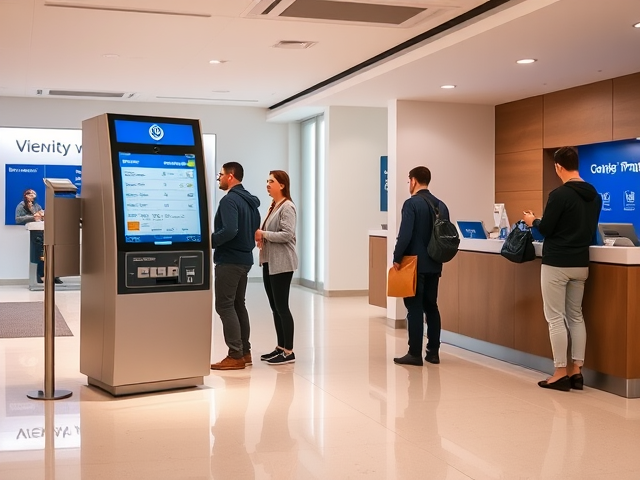
Choosing the right queue system depends on your business type, customer volume, and service model. Here are the three primary approaches used by Australian businesses today:

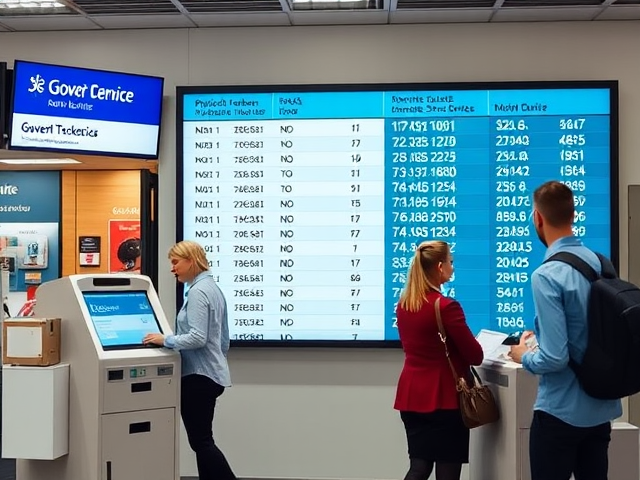

Australian customers have little tolerance for unnecessary delays. Research consistently shows that the average person will wait no more than six minutes before their patience begins to erode. Beyond that threshold, frustration sets in, satisfaction drops, and the likelihood of walk-aways increases dramatically. For Australian businesses, this means that every minute saved in queue management translates directly into retained revenue and improved customer loyalty.
A modern queue management system eliminates the guesswork of manual queuing by intelligently routing customers, balancing workload across service points, and providing accurate wait time estimates. When combined with virtual queuing capabilities, customers no longer need to stand in physical lines — they can arrive just in time, dramatically improving both their experience and your operational efficiency.
Businesses that implement a reliable queue system report an average reduction in wait times of 40 to 60 percent. This is not a minor improvement — it is a fundamental shift in how customers perceive your service quality and how your staff manages daily operations.
Communication is the backbone of a positive customer journey. When customers are left uncertain about their position in line or their estimated wait time, anxiety builds and trust erodes. A professional queue management system solves this problem by delivering real-time updates through multiple channels, ensuring that every customer feels informed, valued, and in control.
Here is how a modern queue system transforms communication:
By embedding intelligent communication into the queuing process, businesses create a customer journey that feels respectful, transparent, and efficient. This is a defining characteristic of the best queue management system in Australia for 2026 — one that treats customer time as a valuable resource.
Australian businesses operate in diverse environments — from compact urban clinics to sprawling suburban retail complexes. Managing customer flow effectively requires more than just a ticket printer; it demands intelligent crowd management that adapts to real-time conditions. A queue management system provides the tools to monitor foot traffic, balance service loads, and maintain a comfortable environment for every visitor.
Efficient crowd management is essential for any customer-facing business in Australia. It transforms chaotic environments into orderly, predictable spaces where customers feel respected and staff feel supported. This is a hallmark of the best queue management system in Australia for 2026.

In Australia's service-driven economy, customer experience is the primary differentiator between businesses that thrive and those that struggle. A queue management system directly influences every touchpoint of the customer journey — from the moment a customer decides to visit, through their wait, to their final interaction with your team.
A well-designed queue system is not just a tool — it is a strategic asset that elevates your entire customer experience. For Australian businesses seeking the best queue management system in 2026, this is the foundation upon which lasting competitive advantage is built.
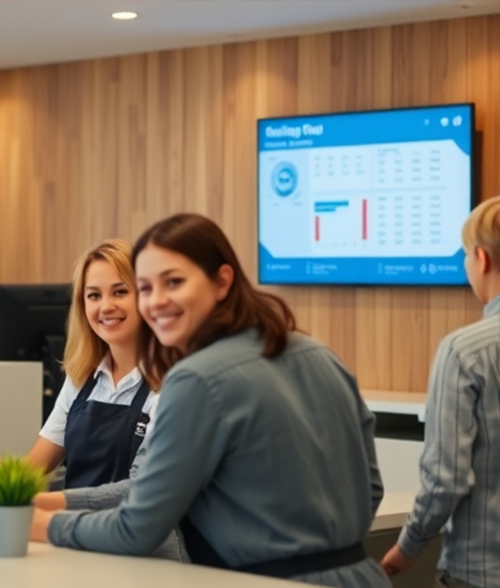
Australian businesses face significant staffing challenges in 2026, with labour shortages and rising expectations placing immense pressure on frontline teams. When customers are unhappy due to long waits, staff members bear the brunt of that frustration — through complaints, difficult interactions, and emotional exhaustion.
A queue management system alleviates this pressure by removing the chaos from the queuing process. Staff no longer need to manage physical lines, answer repetitive wait-time questions, or deal with angry customers who feel ignored. Instead, they can focus on delivering high-quality service to the customers who are actually being served.
Staff experience a significant reduction in daily stress levels. They gain clarity on workload distribution, receive alerts about peak periods, and have the tools to manage service flow proactively rather than reactively. This shift from reactive firefighting to proactive management transforms the workplace culture and improves retention rates.
When staff feel supported and empowered, they deliver better service. This creates a positive feedback loop: happier staff lead to happier customers, which in turn leads to better business outcomes. The best queue management system in Australia for 2026 recognises this connection and designs its features to support both customers and employees.
In Australia's high-cost business environment, operational inefficiencies are a silent profit killer. Long queues lead to walk-aways, understaffed service points create bottlenecks, and manual queue management consumes valuable staff hours that could be spent on revenue-generating activities. A modern queue system addresses each of these cost drivers systematically.
Here is how a queue management system reduces operational costs:
The financial impact of implementing a queue system can be substantial. Australian businesses that have adopted modern queue management solutions report significant reductions in operational waste, improved staff utilisation, and measurable increases in customer retention. These are not theoretical benefits — they are real, quantifiable outcomes that directly improve the bottom line.
In 2026, data is one of the most valuable assets a business can possess. A modern queue management system generates comprehensive data across every stage of the customer journey — from arrival to service completion. This data provides insights that are impossible to gather through manual observation alone.
The best queue management system in Australia for 2026 does more than manage lines — it transforms raw queue data into actionable business intelligence. This capability positions your organisation to make smarter decisions, optimise resources, and deliver a superior customer experience consistently.
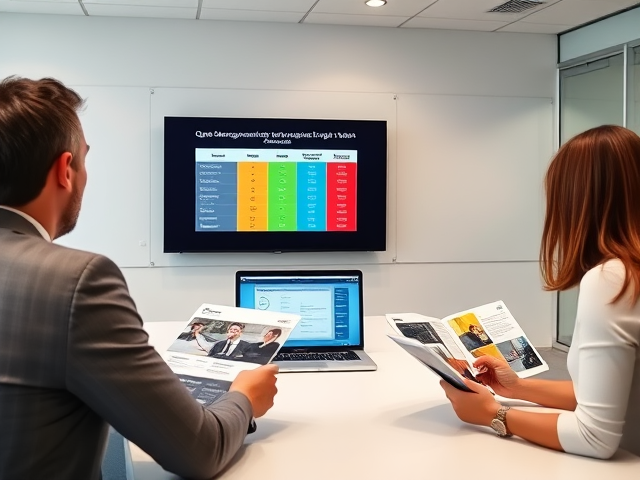
With numerous queue management solutions available in the Australian market, selecting the right system requires careful consideration of your specific business needs. Here are the essential features that define the best queue management system in Australia for 2026:
Evaluating these features against your business requirements will help you identify the best queue management system in Australia for 2026. The right solution should align with your operational goals, enhance your customer experience, and provide a clear return on investment.
A queue management system is not limited to a single industry. Across Australia, diverse sectors are recognising the transformative power of a modern queue system in improving service delivery and customer satisfaction. Here are the industries that benefit the most:


The versatility of a modern queue management system makes it applicable across virtually every customer-facing industry in Australia. Regardless of your sector, implementing the right queue system can deliver measurable improvements in efficiency, satisfaction, and revenue.
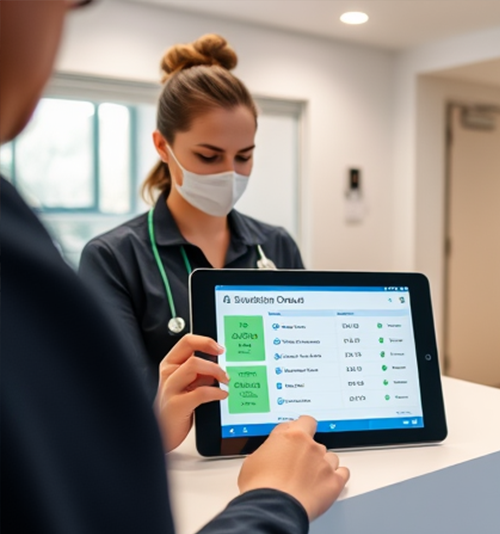
While there are several queue management solutions available in the Australian market, QueueBee has established itself as a compelling option for businesses seeking a comprehensive, reliable, and scalable queue system. QueueBee's platform combines virtual queuing, appointment scheduling, real-time analytics, and multi-channel notifications into a single unified solution.
QueueBee's queue management system is designed to handle the unique challenges faced by Australian businesses — from managing high-volume customer flow in metropolitan areas to supporting multi-location operations across regional Australia. Its cloud-based architecture ensures that businesses can access queue data and manage operations from anywhere, while its flexible deployment options accommodate both physical and virtual queuing needs.
For Australian businesses evaluating queue management solutions, QueueBee offers a feature-rich platform that addresses the core requirements of modern queue management: reducing wait times, improving customer experience, enhancing staff efficiency, and providing actionable data insights. It is worth exploring how QueueBee's system aligns with your specific business objectives.
Don't let long queues and inefficient customer flow hold your business back. Discover how a modern queue management system can reduce wait times, improve customer experience, and boost operational efficiency for your Australian business. Take the first step towards a smarter, more customer-friendly service model today.