
After exploring how queue management is evolving globally, how appointment systems can create a false sense of efficiency, and how queues have become "invisible" in places like Australia and New Zealand, one important question remains: is queue management a cost to a business—or an investment?
At first glance, the answer may seem obvious. But like many aspects of service design, the reality is more nuanced. When organisations consider queue management systems, the first thing they notice is cost. There are tangible, upfront expenses such as software and system setup, hardware like kiosks or display screens, integration with existing platforms, and staff training. On top of that, there are ongoing commitments including maintenance, system updates, and operational oversight.
These costs are visible, measurable, and immediate. And because they are easy to quantify, they often dominate the decision-making process. From this perspective, queue management can feel like an added layer—something optional rather than essential. But this view only tells part of the story.
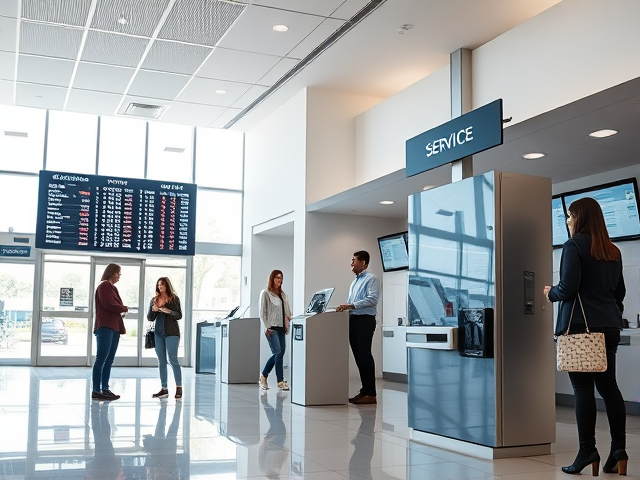
In many service environments, queues are still present—just less visible. As discussed in earlier articles, appointment systems and digital booking tools haven't removed waiting; they've simply changed how it appears. Without proper management, this leads to a different kind of cost—one that is harder to measure but equally real.
These hidden costs include time loss as staff deal with confusion instead of serving, customer frustration caused by unclear or unpredictable waiting times, missed opportunities when customers leave or choose not to return, and operational stress especially during peak periods. Unlike system costs, these issues rarely appear on a balance sheet. But over time, they can have a significant impact on performance and reputation.
Types Of Queue Management Approaches
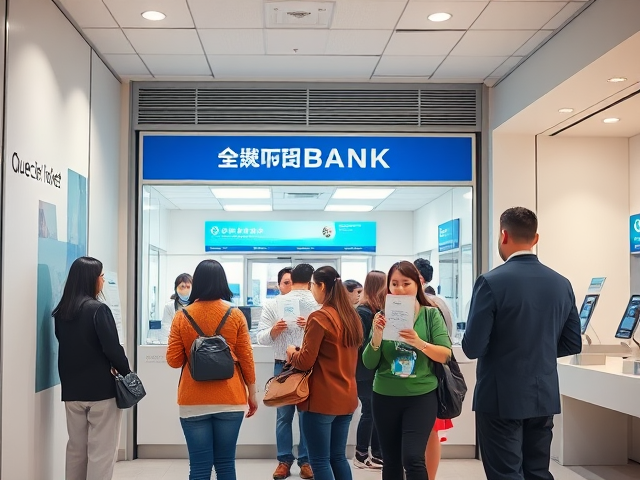

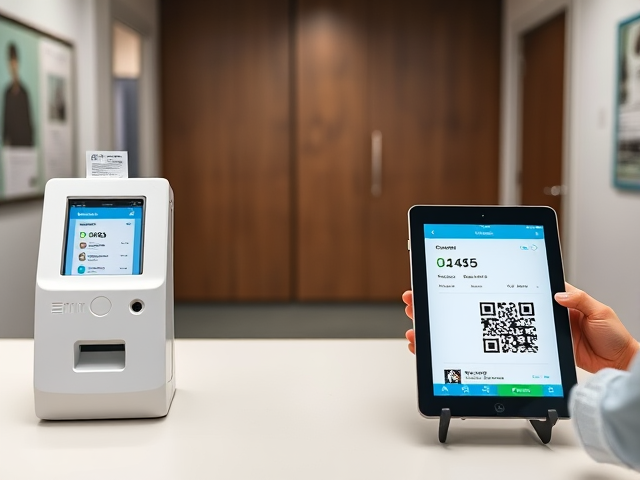
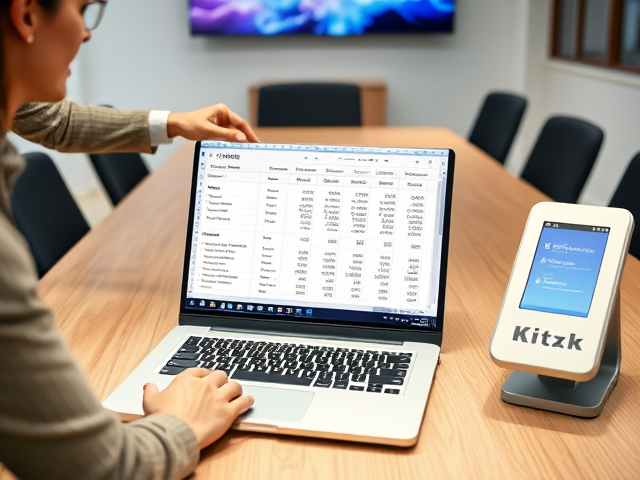
When organisations consider queue management systems, the first thing they notice is cost. There are tangible, upfront expenses such as software and system setup, hardware like kiosks or display screens, integration with existing platforms, and staff training and process adjustments.
On top of that, there are ongoing commitments: maintenance and support, system updates, and operational oversight. These costs are visible, measurable, and immediate. And because they are easy to quantify, they often dominate the decision-making process.
From this perspective, queue management can feel like an added layer—something optional rather than essential. But this view only tells part of the story. The queue management cost is real, but it's only one side of the equation. The other side is the value that a well-managed system delivers over time.
When queue management is viewed beyond its initial setup, its value becomes clearer. It's not just about organising lines—it's about improving how services function. A well-managed system can deliver benefits that are not always immediate, but they are cumulative. Over time, they contribute to stronger operations and better service outcomes.
A strong queue management value proposition includes:
These benefits are not always immediate, but they are cumulative. Over time, they contribute to stronger operations and better service outcomes. The queue management value becomes evident when businesses look beyond the initial investment and consider the long-term returns.
One of the biggest challenges is that many organisations don't realise the extent of their queue-related issues. They may believe they don't have long queues or that customers are booking appointments, so it's under control. But as we've explored, delays can be hidden behind schedules, waiting still exists even if it's less visible, and customers may feel frustration without clearly expressing it.
Efficient crowd management is vital for any customer-facing business. It's not just about guiding people; it's about creating an orderly, comfortable environment where customers feel respected and valued. This approach doesn't just solve logistical issues—it enhances the entire experience, making visits smoother and more enjoyable for customers.

In today's competitive market, understanding the ROI of queue management systems for retail is essential. Long, unmanaged lines not only escalate operational costs but can also lead to lost sales. Consider a retail environment where customers walk away due to long waits—each walk-away represents not just a missed sale, but a potential lost customer.
Effective customer service is a continuous journey of understanding and responding to customer needs. Implementing a robust queue management system is a powerful step in this journey, ensuring that every interaction counts towards building a strong, lasting relationship with your customers. The ROI of queue management systems for retail becomes clear when businesses measure both the costs avoided and the revenue gained.
In healthcare, the appointment scheduling benefits for healthcare extend far beyond convenience. Patients who experience long waits or unclear appointment processes are more likely to miss visits, delay care, or seek treatment elsewhere. This has real consequences for patient outcomes and practice revenue.
The appointment scheduling benefits for healthcare include reduced no-shows through automated reminders, better resource utilisation through accurate forecasting, improved patient satisfaction through transparent wait times, and enhanced clinical efficiency by allowing staff to focus on care rather than crowd management.

Here's where digital queue solutions can make a world of difference. By streamlining the appointment process and keeping patients informed, much of this stress can be alleviated. No more dealing with the frustration of those caught off guard by long waits or unclear schedules.
Imagine a system where patients know exactly what to expect and when. They're less likely to take out their frustration on staff because they're not caught in an endless loop of uncertainty. This kind of transparency doesn't just help patients; it takes a load off the staff too.
And when staff aren't constantly putting out fires caused by long waits and poor communication, they're free to do what they do best: provide outstanding care. They can focus on enhancing the patient experience, personalising interactions, and really connecting with patients. This not only improves morale among the team but also elevates the overall service quality.
In the world of business, the customer waiting experience is a differentiator. Inefficiencies are more than just inconveniences; they directly impact your bottom line and are a real drain on your business, especially when it comes to customer queues. Long, unmanaged lines not only escalate operational costs but can also lead to lost sales.
Digital queue solutions make a difference by:
The impact of digital queue solutions can be substantial. By improving productivity and efficiency, it opens the door to significant operational cost savings. The queue management value becomes evident when businesses measure both the costs avoided and the revenue gained.
The difference between seeing queue management as a cost or an investment often comes down to mindset. If queues are seen as an unavoidable inconvenience, managing them feels like an expense. If queues are seen as a critical part of the customer experience, managing them becomes a strategic priority.
If the answer to these questions is yes, then the cost of unmanaged waiting is already being paid—just in less obvious ways. Queue management is often evaluated as a line item cost. But in reality, it sits at the intersection of efficiency, experience, and perception.
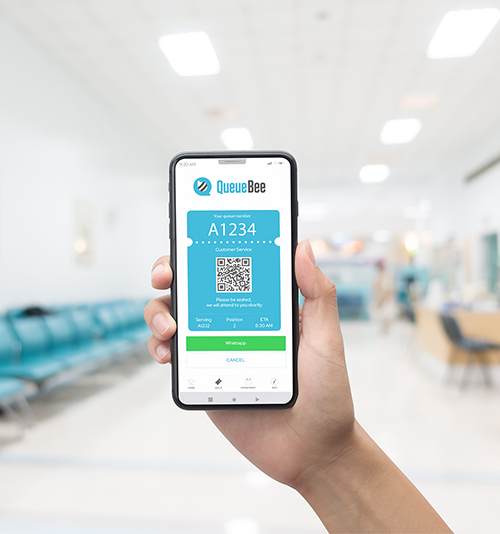
Ready to revolutionise your customer service? Discover how QueueBee's Queue Management and Appointment Booking Systems can transform your business operations. The real question isn't whether queue management costs money—it's whether unmanaged waiting is costing more. Contact us today for a personalised solution.