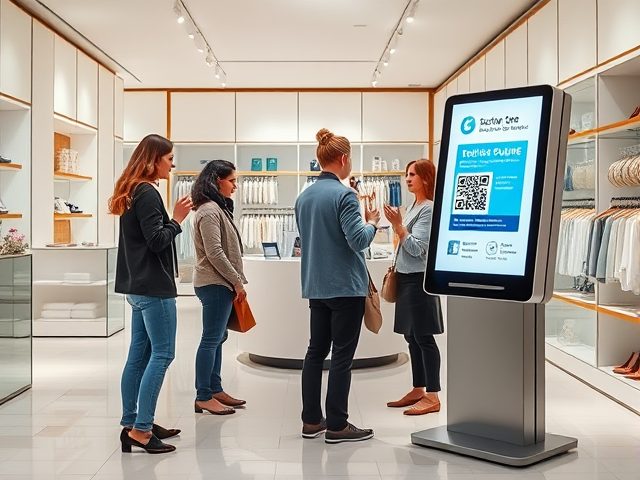
Customer Experience Tips For Retail Waiting Lines In Australia

Blog | Last Updated: Apr 29, 2026

Why Customer Experience Matters In Australian Retail Queues

Australian shoppers have high expectations when it comes to retail service. Whether it's a busy shopping centre in Sydney, a regional store in Melbourne, or a coastal boutique in Brisbane, customers expect their time to be respected. Long waiting lines at checkout counters, service desks, or appointment areas can quickly turn a pleasant shopping trip into a frustrating ordeal.

The reality is that poor queue management directly impacts your customer experience. Studies show that Australian consumers are increasingly intolerant of unnecessary waits. A single negative experience at the checkout can lead to lost sales, negative reviews, and damaged brand loyalty. The good news is that with the right strategies and a modern queue management system, you can transform your retail waiting lines into a competitive advantage.

Customer experience tips for retail waiting lines in Australia

Why Retail Waiting Lines Impact Your Customer Journey

In Australia's competitive retail landscape, every moment a customer spends waiting is a moment they could be spending with your competitors. The customer journey doesn't begin when a purchase is made — it begins the moment a customer walks through your doors or clicks on your website. Long, unmanaged waiting lines create friction at the very start of that journey, setting a negative tone for the entire experience.

Research from the Australian Retailers Association indicates that over 60% of shoppers will abandon a purchase if the wait time exceeds their patience threshold. This isn't just about lost revenue in the moment; it's about long-term customer lifetime value. A customer who has a poor experience waiting in line is significantly less likely to return, and more likely to share that negative experience with others through social media and word of mouth.

Understanding Queue Types In Retail

Different retail environments require different queue management approaches
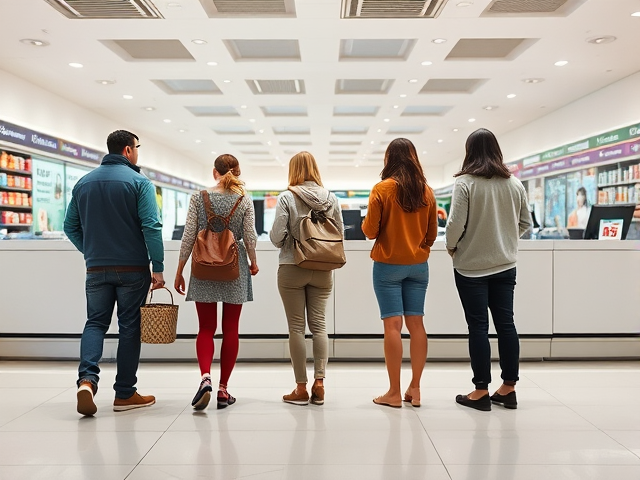
Physical Queue System

Physical Queue Lines

The traditional single-file line at checkout counters or service desks. While familiar to most Australian shoppers, physical queues can create bottlenecks during peak hours, especially in busy retail environments like shopping centres and department stores across major cities.
Virtual Queue System

Virtual Queue System

Customers join a digital queue remotely via their smartphones, allowing them to wait anywhere while receiving real-time updates. This approach is gaining rapid adoption across Australian retail, from fashion boutiques to electronics retailers, dramatically improving the customer experience.
Hybrid Queue System

Hybrid Queue System

Combines physical and virtual queue elements, giving customers the flexibility to choose their preferred waiting method. This versatile approach works exceptionally well for Australian retailers with diverse customer bases and varying technological comfort levels.
Reduce Wait Times
1

Reduce Wait Times With
Smart Queue Management

The single most impactful thing you can do for your customer experience is reduce actual wait times. Australian consumers have become accustomed to instant gratification in almost every aspect of their lives, from same-day delivery to instant banking. When it comes to retail, the expectation is no different.

A well-implemented queue management system can reduce average wait times by up to 40% through intelligent staff allocation, dynamic lane opening, and real-time queue monitoring. By tracking wait times in real-time and automatically alerting managers when thresholds are approached, you can proactively address bottlenecks before they become customer experience disasters.

Consider implementing express lanes for customers with fewer items, dedicated service counters for complex queries, and automated self-checkout options where appropriate. Each of these strategies, when managed through a unified queue management system, contributes to a smoother, faster, and more positive customer experience.

2

Keep Customers Informed:
Transparent Communication

Uncertainty is the enemy of good customer experience. When shoppers don't know how long they'll wait, their perceived wait time increases dramatically. Transparent communication about queue status and estimated wait times can reduce perceived wait times by up to 30%, even when the actual wait remains unchanged.

Here's how effective communication transforms the customer journey:

Real-Time Queue Updates

Digital displays at the entrance and throughout the store showing current wait times help customers make informed decisions. Mobile notifications keep remote customers informed as their turn approaches.

Proactive Wait Notifications

When a customer's turn is approaching, send an SMS or app notification. This allows them to browse the store, grab a coffee, or complete other tasks rather than standing idle in line.

Staff Engagement During Wait

Train staff to engage with waiting customers proactively. A friendly greeting, product recommendation, or even a glass of water can transform a frustrating wait into a positive interaction.

By integrating transparent communication into your queue management strategy, you turn what was once a negative experience into an opportunity to demonstrate care and professionalism. Australian customers appreciate businesses that value their time and keep them informed throughout the entire customer journey.

3

Optimise Store Layout For
Better Customer Flow

The physical layout of your retail space plays a crucial role in how customers experience waiting lines. Poorly designed queue areas can create congestion, block access to products, and make the entire store feel cramped and stressful.

Strategic Queue Placement

Position queue areas away from high-traffic product displays to prevent bottlenecks. Use natural barriers like planters, signage, or floor markings to guide customers into orderly lines without feeling confined.

Multiple Service Points

During peak hours, open additional service counters or deploy mobile POS devices to distribute customer flow across multiple points. This prevents a single queue from becoming a major pain point in the customer journey.

Comfortable Waiting Areas

Where space permits, create comfortable waiting zones with seating, climate control, and even entertainment screens. Australian retail customers will appreciate the extra effort, and it significantly improves the overall customer experience.

By thoughtfully designing your retail environment with queue management in mind, you create a smoother customer journey from entry to exit. Every element of the physical space should work to reduce friction, not add to it.

Optimise Store Layout For Better Customer Flow
4

Train Staff To Deliver
Exceptional Queue Service

Technology alone cannot deliver great customer experience. Your staff are the human face of your brand, and how they manage waiting lines directly shapes customer perception. Well-trained staff can turn a potentially negative queue experience into a memorable positive one.

Empathy And Patience Training

Teach staff to recognise signs of customer frustration and respond with empathy. A simple apology for the wait, combined with genuine effort to speed up service, can defuse tension and restore goodwill.

Cross-Training For Flexibility

Ensure staff are trained across multiple roles so they can be deployed to queue areas during peak times. This flexibility prevents bottlenecks and demonstrates to customers that your business is responsive to their needs.

Proactive Queue Management

Empower staff to make real-time decisions about queue management, such as opening additional lanes, offering alternatives, or providing estimated wait times. This autonomy improves both customer experience and staff confidence.

Personalised Service Moments

Use the queue interaction as an opportunity to build relationships. Remembering returning customers, offering personalised recommendations, or simply engaging in friendly conversation transforms a transactional wait into a relational experience.

Investing in staff training is one of the highest-ROI activities you can undertake for your customer experience. Australian consumers value authenticity and genuine service, and well-trained staff deliver exactly that during the critical queue phase of the customer journey.

5

Leverage Technology For
Smarter Queue Management

Technology is the backbone of modern customer experience management. A robust queue management system provides the tools, data, and automation needed to deliver consistent, high-quality service regardless of foot traffic volume or staff availability.

Leverage Technology For Queue Management

Key technological solutions include:

Virtual Queue Platforms

Allow customers to join a queue remotely via mobile app or website, eliminating the need to stand in physical lines. This is particularly valuable for Australian retailers operating in large shopping centres where customers may prefer to browse other stores while waiting.

AI-Powered Predictive Analytics

Modern queue management systems use artificial intelligence to predict peak times, forecast wait times, and automatically adjust staffing levels. This proactive approach prevents queue-related customer experience issues before they occur.

Integrated Customer Data

A queue management system that integrates with your CRM provides valuable insights into customer behaviour, preferences, and service history. This data enables personalised service and helps you continuously refine your customer journey.

By investing in the right technology stack, you create a foundation for exceptional customer experience that scales with your business and adapts to changing customer expectations.

6

Measure And Improve:
Data-Driven Customer Experience

You cannot improve what you do not measure. To deliver exceptional customer experience, you need visibility into every aspect of your queue management performance. Data-driven insights reveal patterns, identify bottlenecks, and highlight opportunities for improvement that would otherwise remain invisible.

Key metrics to track include:

Average Wait Time

Track the average time customers spend waiting from queue entry to service start. Compare against industry benchmarks and your own targets to identify trends and areas for improvement.

Customer Satisfaction Scores

Collect post-visit feedback specifically about the queue experience. Use net promoter score (NPS) and customer effort score (CES) metrics to quantify the impact of your queue management on overall customer experience.

Queue Abandonment Rate

Monitor how many customers leave the queue before being served. High abandonment rates are a clear signal that your queue management strategy needs immediate attention.

Regular review of these metrics, combined with staff feedback and customer comments, creates a continuous improvement loop. Over time, this data-driven approach to queue management becomes a significant differentiator in the Australian retail market, where customer experience is increasingly the primary factor in purchase decisions.

7

Create A Seamless
Omnichannel Customer Journey

Modern Australian shoppers expect a seamless experience across all touchpoints — in-store, online, and mobile. Your queue management strategy should support this omnichannel expectation, ensuring that the customer journey feels cohesive regardless of how or where a customer chooses to engage with your business.

Unified Queue Experience

Whether a customer joins a queue in-store via a physical ticket, through your mobile app, or via an online booking portal, the experience should feel consistent and equally convenient. A unified queue management system makes this possible.

Cross-Channel Notifications

Allow customers to receive queue updates via their preferred channel — SMS, email, WhatsApp, or push notification. This flexibility respects customer preferences and enhances the overall customer journey.

Integrated Loyalty Programs

Combine queue management with your loyalty program to offer priority queuing for valued customers. This not only improves the customer experience for your best clients but also incentivises loyalty program sign-ups and engagement.

Post-Visit Follow-Up

After a customer completes their visit, send a follow-up message thanking them for their patience and inviting feedback. This reinforces positive feelings about the queue experience and opens the door for future engagement.

An omnichannel approach to queue management ensures that no matter how a customer chooses to interact with your business, they receive a consistent, respectful, and efficient experience. In Australia's increasingly digital-first retail environment, this seamless integration is no longer optional — it's essential for maintaining competitive customer experience standards.
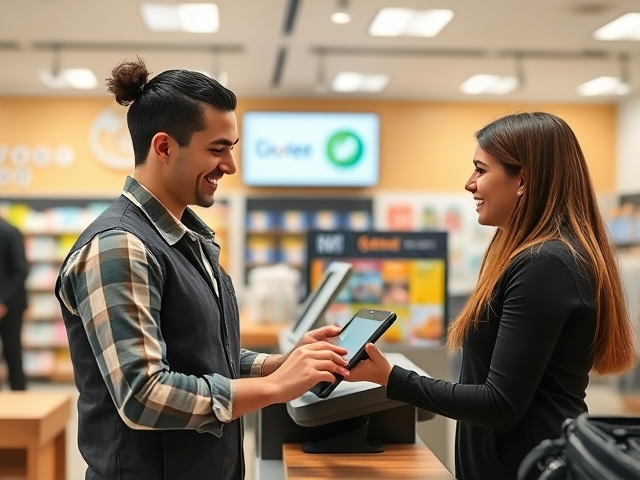
Create A Seamless Omnichannel Customer Journey

Transform Your Retail Customer Experience With QueueBee

Ready to revolutionise the way your Australian retail business manages waiting lines? QueueBee's queue management system is designed specifically to enhance customer experience, reduce wait times, and streamline the entire customer journey. From virtual queuing to real-time analytics, our solution empowers retailers to deliver exceptional service at every touchpoint.
Contact us today for a personalised solution


Get In Touch

QueueBee Solution Pty Ltd

913/687, La Trobe Street, Docklands, VIC 3008, Australia
iso logo
Whatsapp