Australian insurance offices face a unique set of challenges when it comes to managing customer flow. With policyholders visiting for claims processing, renewals, consultations, and complex financial advice, the volume of in-person interactions can quickly become overwhelming. Long queues, unpredictable wait times, and crowded waiting areas are common pain points that directly impact the customer experience and staff morale.
In an industry where trust and efficiency are paramount, the way customers are managed upon arrival sets the tone for their entire experience. A disorganised queue system can lead to frustration, missed appointments, and even lost business. Insurance professionals need a reliable queue management system that not only organises the physical flow of people but also enhances the overall customer experience from the moment they walk through the door.

The insurance sector in Australia is highly competitive, with customers expecting seamless, professional service at every touchpoint. When customer flow is poorly managed, the consequences extend far beyond a temporary inconvenience. It affects brand reputation, staff productivity, and ultimately, revenue.
A well-implemented queue system ensures that every policyholder feels valued and respected. It reduces perceived wait times, prevents overcrowding in waiting areas, and allows insurance staff to focus on delivering quality service rather than managing chaotic lines. For insurance offices across Australia, investing in digital customer flow management is no longer optional — it is a business imperative.
Understanding the different approaches to customer flow management is the first step toward selecting the right solution for your insurance practice.
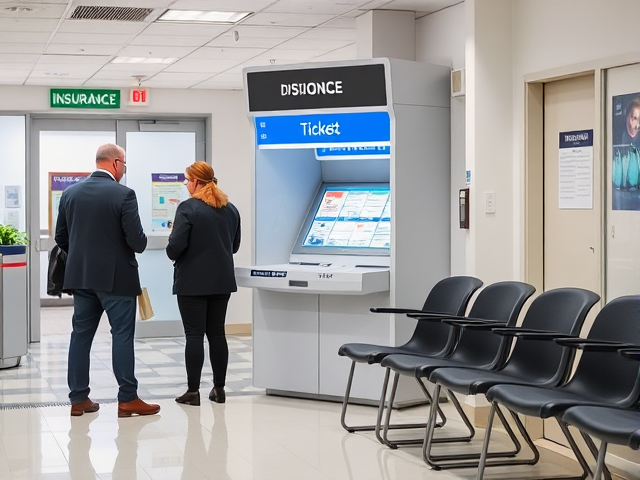
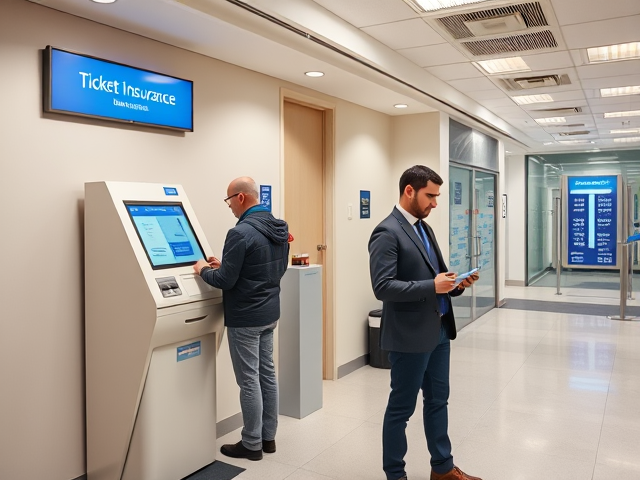

Research shows that the average Australian customer is willing to wait no more than six minutes before their patience begins to erode. For insurance offices, where policyholders are often dealing with sensitive matters such as claims, disputes, or financial planning, even a few extra minutes of unnecessary waiting can feel like an eternity.
Excessive wait times do more than frustrate customers — they increase the likelihood of walk-aways, damage the office's reputation, and create unnecessary pressure on front-desk staff. A well-designed queue management system addresses this by intelligently routing customers, balancing workload across available agents, and providing accurate wait time estimates. When customers know exactly how long they will wait and feel that their time is being respected, their overall experience improves dramatically.
By implementing a digital queue system, insurance offices can keep wait times within acceptable thresholds, ensuring that every policyholder receives prompt and professional attention. This is particularly important in Australia's competitive insurance market, where customers have multiple providers to choose from and will quickly move to a competitor if their experience falls short.
Communication is the backbone of any successful customer flow management strategy. In the context of insurance offices, where policyholders may be anxious about claims outcomes or financial decisions, clear and proactive communication can make all the difference.
A modern queue system enables insurance offices to keep customers informed at every stage of their visit. This transparency delivers several key benefits:
By integrating seamless communication into the queuing process, insurance offices can ensure that every policyholder feels informed, respected, and valued throughout their visit. This level of customer flow management is what separates industry leaders from the rest.
Insurance offices often deal with a mix of walk-in customers, scheduled appointments, and urgent claims visits. Without proper crowd management, this diversity can lead to bottlenecks, confusion, and an overwhelming atmosphere that detracts from the professional image the office strives to maintain.
For insurance offices across Australia, mastering customer flow is not just about logistics — it is about creating an environment where policyholders feel confident and comfortable. A robust queue system is the foundation of this transformation.

In the Australian insurance market, customer experience is a key differentiator. Policyholders expect more than just a transaction — they expect a relationship built on trust, transparency, and consistent service quality. A queue management system plays a pivotal role in delivering this experience from the very first interaction.
For insurance offices in Australia, investing in a queue management system is an investment in customer experience. It ensures that every policyholder interaction is handled with the professionalism, efficiency, and care that the industry demands.
Insurance office staff are often the first line of defence against operational chaos. When customer flow is poorly managed, front-desk employees spend more time managing queues and fielding complaints than performing their core duties. This not only reduces productivity but also takes a toll on staff morale.
Consistently dealing with frustrated customers and disorganised queues can lead to burnout, high turnover, and a decline in service quality. Insurance professionals deserve a work environment that supports their effectiveness and allows them to focus on what they do best — serving policyholders with expertise and empathy.

A digital queue management system alleviates much of the pressure on insurance office staff by automating the queue process, providing real-time visibility into customer flow, and enabling smarter staff allocation. When customers are organised and informed, staff can focus on delivering high-quality service rather than managing the logistics of the queue.
Moreover, a well-managed queue reduces the frequency of negative interactions between staff and customers. When policyholders are not subjected to long, unpredictable waits, they are less likely to become frustrated and direct their dissatisfaction toward the staff. This creates a more positive work environment and allows insurance professionals to build stronger relationships with their clients.
Ultimately, when staff are empowered by efficient customer flow management, the entire office benefits. Service quality improves, morale increases, and the office is better positioned to handle the demands of a busy insurance practice.
Inefficiencies in customer flow management have a direct impact on the bottom line of any insurance office. Long queues lead to walk-aways, which translate to lost revenue. Overcrowded offices require additional space and resources. And staff spending time managing queues instead of serving customers represents a significant waste of human capital.
A well-implemented queue system addresses these inefficiencies head-on:
The financial impact of effective customer flow management can be substantial. For Australian insurance offices, the savings from reduced walk-aways, improved staff productivity, and optimised resource allocation can be reinvested into the business, driving sustainable growth and competitive advantage.
A modern queue management system does far more than organise lines — it generates valuable data that can transform how insurance offices operate. By capturing metrics such as average wait times, peak arrival periods, service duration, and customer volume, insurance managers gain insights that were previously impossible to obtain.
For Australian insurance offices, data-driven customer flow management is the key to staying competitive in an increasingly demanding market. By leveraging the insights provided by a queue management system, offices can make smarter decisions, improve service delivery, and deliver an exceptional customer experience that sets them apart from the competition.

Transitioning to a digital queue system is a strategic decision that requires careful planning and execution. Here are the key steps insurance offices should consider when implementing a queue management system:



Ready to revolutionise your insurance office's customer experience? Discover how a modern queue management system can streamline your customer flow, reduce wait times, and enhance the overall experience for every policyholder.
Contact us today for a personalised solution