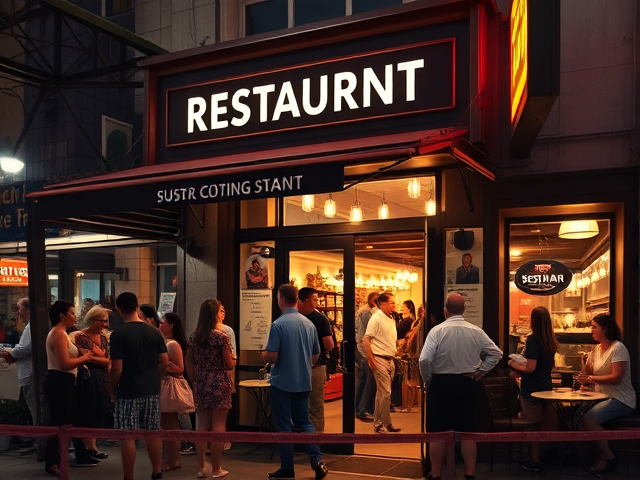
Picture this: it's Friday evening in Sydney, and you've just walked past a popular restaurant in Surry Hills. Through the window, you can see tables packed, staff rushing between kitchens and dining areas, and a line of hungry customers stretching past the entrance. You pause, check your watch, and weigh the decision — wait or walk away? For many restaurant owners across Australia, this scene plays out daily during lunch and dinner rushes, and the outcome often determines whether a customer returns or heads to a competitor.
Peak hours are the lifeblood of any restaurant's revenue, but they are also the most challenging period to manage. Without the right system for restaurant crowd control, long wait times lead to frustrated diners, overwhelmed staff, and lost sales. The good news is that modern queuing solutions exist specifically to solve this problem, turning chaotic peak hours into smooth, predictable service flows.
Australia's dining culture is vibrant and competitive. From Melbourne's laneway cafes to Brisbane's waterfront restaurants, diners have endless options. When a restaurant struggles with peak hour congestion, the consequences go far beyond a temporary inconvenience. Long queues outside the door create a negative first impression, and in today's social-media-driven world, that impression spreads quickly.
Research shows that the average diner is willing to wait only about 15 minutes before considering alternatives. Beyond that threshold, walk-away rates spike dramatically. For a restaurant operating on thin margins, every walk-away customer represents not just a lost meal but a potential regular patron. Implementing a reliable queuing system ensures that no customer is lost to uncertainty, while staff can focus on service quality rather than crowd control.
Understanding the available options is the first step toward choosing the right system for restaurant operations.
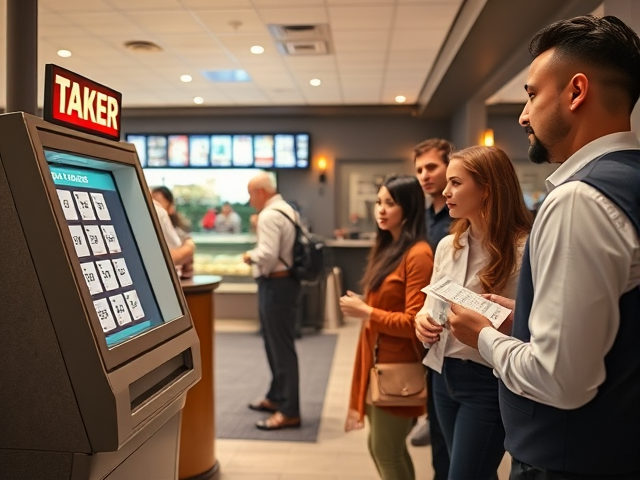
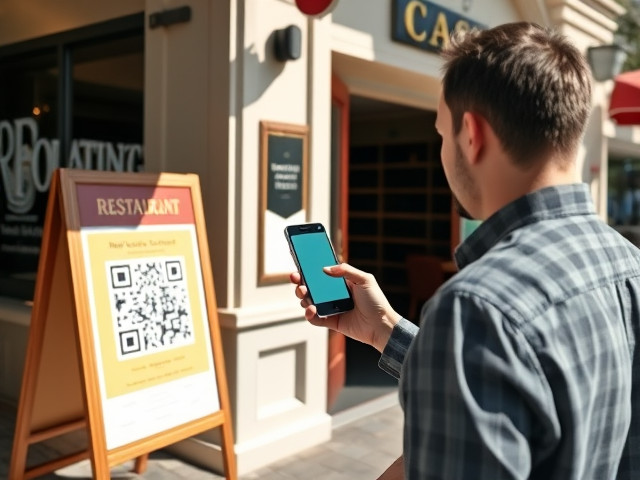
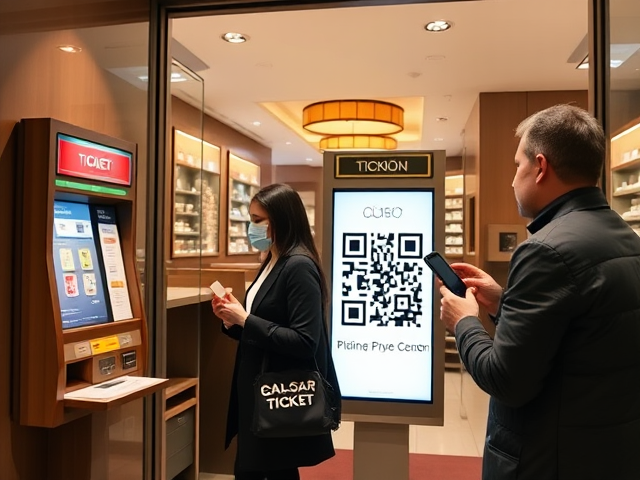

Studies indicate that diners begin feeling impatient after just 10 to 15 minutes of waiting. When a restaurant lacks a proper system for restaurant queue management, perceived wait times balloon, and satisfaction plummets. A well-designed virtual queuing system eliminates the need for guests to stand in line, effectively reducing perceived wait time to zero.
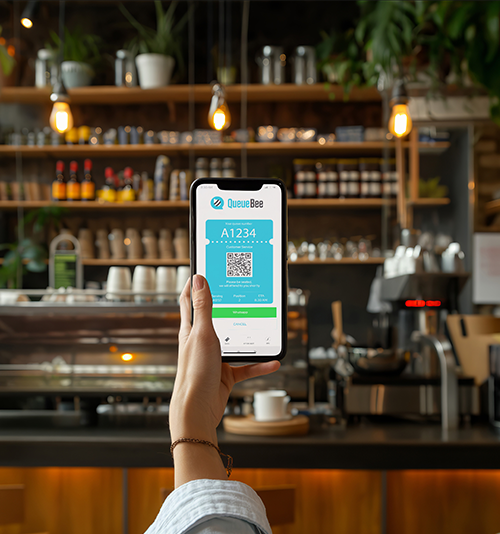
Beyond perception, actual wait times also shrink. QueueBee's system for restaurant operations uses intelligent algorithms to predict table turnover, optimise seating arrangements, and balance kitchen workload in real time. The result is a smoother flow from arrival to seating, from ordering to payment, and ultimately a more enjoyable dining experience that keeps customers coming back.
Restaurants that adopt a virtual queue report up to 40 per cent fewer walk-aways during peak hours. That is not just a marginal improvement — it is a direct impact on revenue, reputation, and guest loyalty.
Uncertainty is the enemy of customer satisfaction. When diners do not know their place in line or how long they will wait, anxiety builds. A modern queuing system eliminates that anxiety by providing transparent, real-time updates directly to the customer's phone.
Here is how improved communication transforms the peak hour experience:
By integrating seamless communication into the queuing process, restaurants turn what was once a source of frustration into a demonstration of operational excellence. This is one of the most compelling reasons why a system for restaurant crowd management has become essential rather than optional.
Peak hour chaos is rarely about the number of customers — it is about the flow. A restaurant may have enough tables and staff, but without a system for restaurant queue management, bottlenecks still occur at key touchpoints: the entrance, the host stand, the kitchen, and the payment counter.
Efficient crowd management is not just a logistical advantage — it is a competitive differentiator. Australian restaurants that master peak hour flow consistently outperform competitors who rely on outdated first-come, first-served methods.
In Australia's competitive dining landscape, customer service is the primary driver of repeat business. A system for restaurant queuing and crowd control directly elevates every stage of the guest journey:
Effective customer service is no longer just about friendly staff and quality food — it is about the entire experience from the moment a guest decides to visit. Implementing a robust system for restaurant queue management ensures that every interaction contributes to a lasting positive impression.
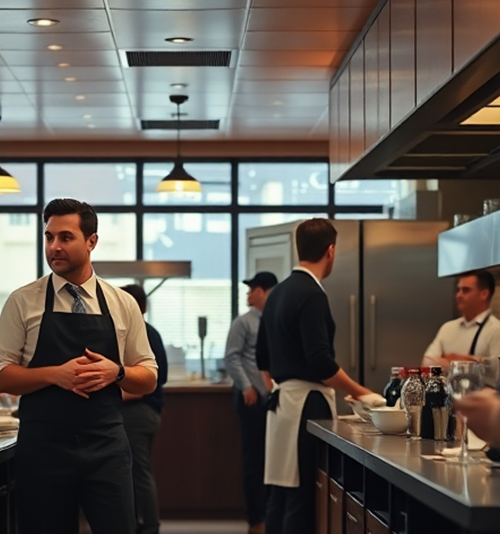
Behind every chaotic peak hour is a team under pressure. Hosts fielding endless walk-in questions, servers managing overflowing tables, and kitchen staff scrambling to keep up — all without a clear system for restaurant crowd management. The stress is real, and the burnout is costly.
When staff are constantly managing complaints about wait times and crowd confusion, morale drops. Turnover increases. Training costs rise. And the quality of service inevitably suffers. This cycle is unsustainable for any restaurant, especially independent operators and small chains.
A virtual queue system removes the friction. Guests are informed, organised, and comfortable. Staff are freed from crowd control duties and can focus on what they do best: delivering exceptional dining experiences. Hosts can greet seated guests warmly, servers can manage their sections with confidence, and kitchen teams can prepare meals at a steady, predictable pace.
Restaurants that implement a system for restaurant queuing report higher staff satisfaction, lower turnover, and a noticeable improvement in service quality during the busiest hours. Happy teams create happy guests, and happy guests become loyal patrons.
Every walk-away customer during peak hour is lost revenue. For an Australian restaurant, that could mean a lost table of four to six guests, each potentially spending between $80 and $200 per head. Multiply that by dozens of walk-aways on a busy Friday night, and the financial impact becomes undeniable.
QueueBee's system for restaurant operations directly addresses this problem:
The financial case for a system for restaurant crowd management is clear. Restaurants using QueueBee's virtual queuing platform report significant reductions in lost revenue, improved table utilisation, and measurable growth in peak hour sales.
A modern queuing system for restaurant operations does far more than manage lines — it provides actionable data across the entire guest journey. For restaurant owners and managers, this data is invaluable for making smarter, more informed decisions.
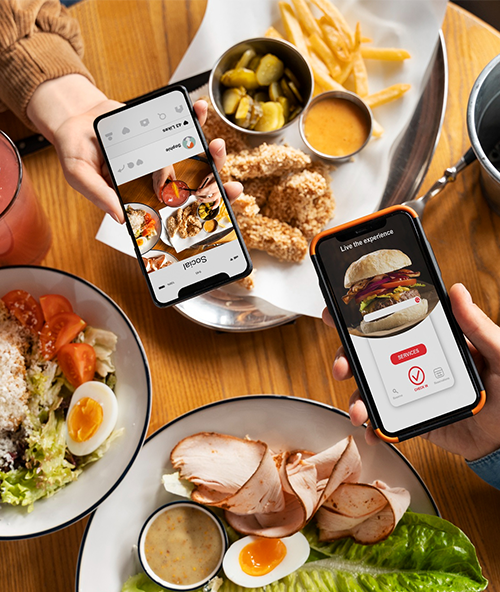
Across Australia, restaurants of all sizes are transforming their peak hour operations with QueueBee's system for restaurant crowd management. Here is what some venue owners have experienced:
These are not isolated cases. Restaurants across Australia are discovering that a reliable system for restaurant queue management is no longer a luxury — it is a necessity for surviving and thriving in a competitive market.
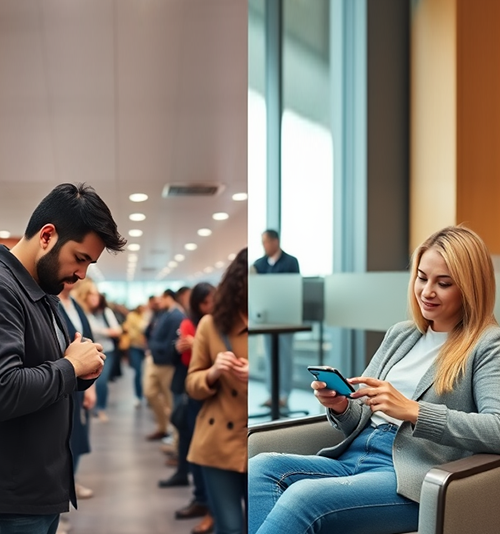
Not every queuing system is created equal. When evaluating a system for restaurant crowd management, Australian venue owners should consider the following factors:
By evaluating these factors, restaurant owners can select a system for restaurant queuing that delivers immediate results and long-term value.
Ready to eliminate peak hour chaos and turn crowded dining rooms into smooth, profitable operations? QueueBee's system for restaurant crowd management combines virtual queuing, real-time communication, and data-driven insights to help Australian restaurants thrive during their busiest hours. Contact us today for a personalised demo and see how QueueBee can transform your dining experience.