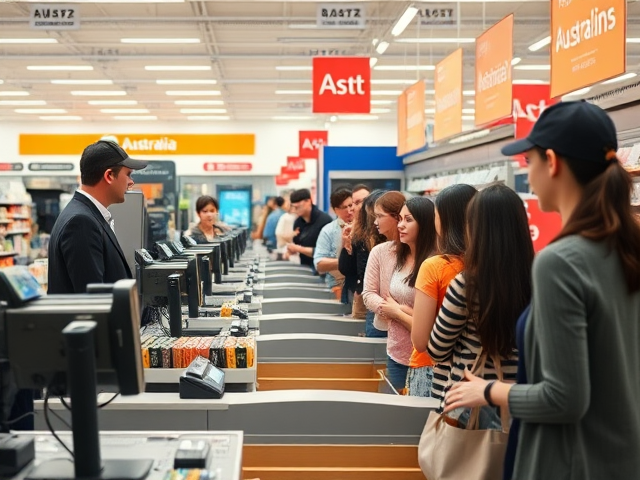
Australian shoppers are increasingly impatient when it comes to checkout queues. A recent survey revealed that the average Australian retail customer is willing to wait only five minutes before walking away from a purchase. For supermarkets and department stores operating during peak hours, this translates to thousands of frustrated customers every week.
The consequences are clear: lost sales, damaged brand reputation, and declining customer loyalty. When checkout waiting time becomes a regular pain point in the customer journey, shoppers begin to seek alternatives — whether that means switching to online retailers or choosing a competitor with faster service. This is where implementing a modern retail queuing system becomes essential for any forward-thinking Australian business.
In today's fast-paced Australian retail landscape, convenience is no longer a luxury — it is an expectation. With the rise of e-commerce giants offering one-click purchases and same-day delivery, brick-and-mortar retailers must compete on experience. Long checkout queues are one of the biggest barriers to a positive customer experience.
Research shows that 73 per cent of Australian consumers say that wait time is the most frustrating part of their shopping journey. When customers feel their time is not respected, they are less likely to return. For retail businesses, this means that reducing checkout waiting time is not just an operational improvement — it is a revenue protection strategy.
Implementing a retail queuing system involves a combination of technology, process design, and staff management. Here are the most effective approaches used by leading Australian retailers:


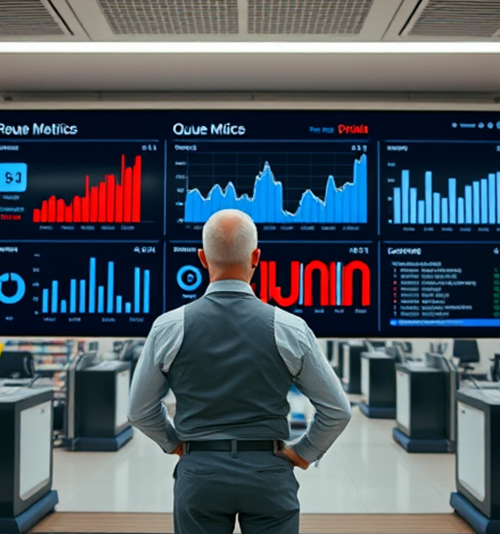
The first step to reducing checkout waiting time is understanding it. Without accurate data, retailers are operating blind. A retail queuing system equipped with real-time monitoring dashboards gives managers instant visibility into every checkout lane — queue length, estimated wait time, and staff utilisation.
When store leaders can see that a particular lane is approaching the five-minute frustration threshold, they can act immediately. This could mean opening a new register, moving an available team member to that lane, or even redirecting customers to a less congested area of the store. Proactive management prevents bottlenecks before they become complaints.
For Australian retailers operating across multiple locations, centralised monitoring means that regional managers can compare performance across stores and share best practices. The result is a consistently improved customer experience across the entire network.
Even the best retail queuing system cannot eliminate wait times entirely. What it can do is manage customer expectations. When shoppers know exactly how long they will wait, they are far more patient and far less likely to abandon their purchase.
Modern queuing solutions deliver real-time updates through multiple channels:
Transparent communication is one of the most powerful tools in reducing checkout waiting time complaints. When customers feel informed and respected, their patience increases and their overall satisfaction improves — even if the wait itself has not changed.
The physical layout of a retail store has a direct impact on how quickly customers reach the checkout. Poorly designed floor plans create natural bottlenecks that increase congestion and slow the entire customer journey from entry to exit.
When combined with a retail queuing system that monitors flow in real time, store layout optimisation becomes a data-driven process rather than a guesswork exercise. Australian retailers who invest in both layout design and queue technology consistently report faster checkout times and higher customer satisfaction scores.
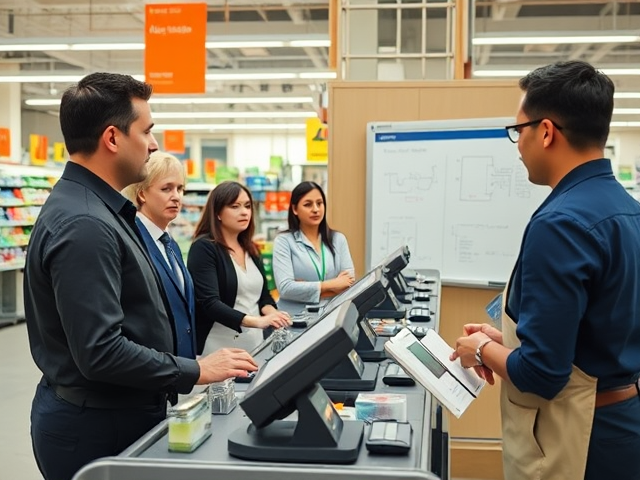
Technology alone cannot solve checkout waiting time. The people operating the registers play an equally critical role. A well-trained, motivated checkout team can process customers faster, handle complex transactions smoothly, and maintain a positive atmosphere even during the busiest periods.
When staff feel supported and empowered, they perform better. Pairing skilled teams with a robust retail queuing system creates a virtuous cycle: faster service leads to shorter queues, which leads to happier customers and more satisfied staff.

Reducing checkout waiting time is not a one-time project — it is an ongoing process. The retailers who consistently outperform their competitors are those who use data to drive continuous improvement. A modern queuing system provides a wealth of analytics that reveal exactly where and when bottlenecks occur.
Key metrics to track include average wait time per lane, peak queue hours, transaction duration, customer walk-away rate, and staff throughput. By reviewing these metrics weekly, store managers can identify trends, test interventions, and measure the impact of changes over time.
For example, data might reveal that the longest queues form between 4 pm and 6 pm on weekdays. Armed with this insight, a retailer can adjust staffing rosters, open additional lanes, or launch targeted promotions during off-peak hours to redistribute customer flow. This data-driven approach to reducing checkout waiting time is what separates leading Australian retailers from the rest.
And when management decisions are backed by real data rather than gut feeling, the results speak for themselves: shorter queues, happier customers, and stronger bottom-line performance.
Long checkout queues cost Australian retailers more than just customer goodwill. They also drain operational budgets through wasted staff hours, lost sales, and increased turnover. When staff are constantly managing frustrated customers, burnout rises and recruitment costs climb.
Implementing a retail queuing system addresses these costs at their source:
The financial case for reducing checkout waiting time is compelling. Australian retailers who adopt a retail queuing system typically see a measurable return on investment within the first few months through a combination of retained sales, reduced labour waste, and improved customer retention.
Checkout waiting time is only one piece of the broader customer journey. Australian shoppers evaluate their entire experience — from the moment they enter the store to the moment they leave. A retail queuing system that integrates with the wider customer journey creates a seamless, frictionless experience that builds loyalty.

When every touchpoint in the customer journey is designed with efficiency and empathy, checkout waiting time stops being a problem and becomes a non-issue. Retailers who master this approach build lasting loyalty in an increasingly competitive market.
Not all queuing solutions are created equal. Australian retailers need a partner that understands the unique challenges of the local market — from high foot traffic in CBD stores to seasonal spikes during holiday periods. QueueBee's retail queuing system is purpose-built to meet these demands.
Choosing the right retail queuing system is one of the most impactful decisions an Australian retailer can make. QueueBee combines cutting-edge technology with deep industry expertise to deliver measurable improvements in checkout efficiency and customer experience.
Australian retailers who want to stay competitive must address checkout waiting time head-on. With QueueBee's retail queuing system, you can eliminate long queues, improve the customer experience, and boost your bottom line — all from a single, easy-to-use platform. Don't let another customer walk away because of a long line. Take control of your checkout process and deliver the fast, seamless service your customers deserve.