In a world where almost everything can be booked online—from restaurant tables to doctor visits—it's easy to assume that queues are becoming a thing of the past. After all, who still wants to take a number, sit in a waiting area, and watch a screen for their turn?
But the reality is quite different. Queue management is not disappearing. In fact, it is becoming more relevant than ever—just in a very different form from what many people remember. The queues we see today are no longer the physical lines of the past. They have evolved into smarter, more flexible systems that work behind the scenes to deliver better experiences for both customers and businesses.
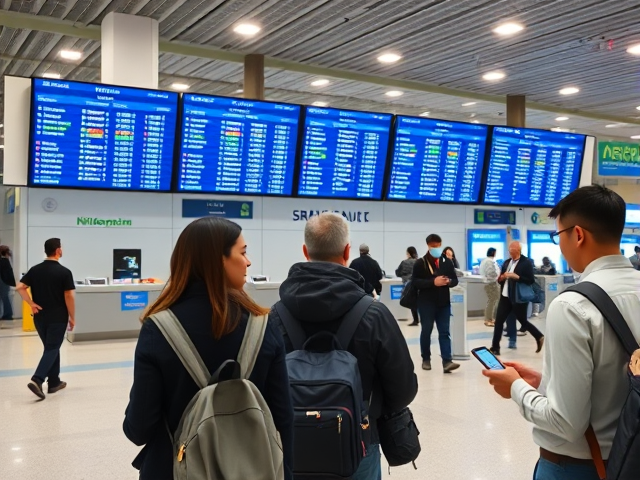
Queue management systems are now used across the world in a wide range of industries. In North America and Europe, they are considered mature tools, commonly seen in hospitals, clinics, government service centres, airports, retail stores, and banking environments.
In the Asia-Pacific region, adoption is growing rapidly. Large populations, busy urban environments, and increasing demand for efficient services are driving organisations to rethink how they manage customer flow. Meanwhile, in emerging regions across the Middle East, Latin America, and Africa, queue systems are being introduced to improve service delivery, especially in public-facing sectors.
What this tells us is simple: queue management is no longer a niche solution—it is a global standard for managing service demand.
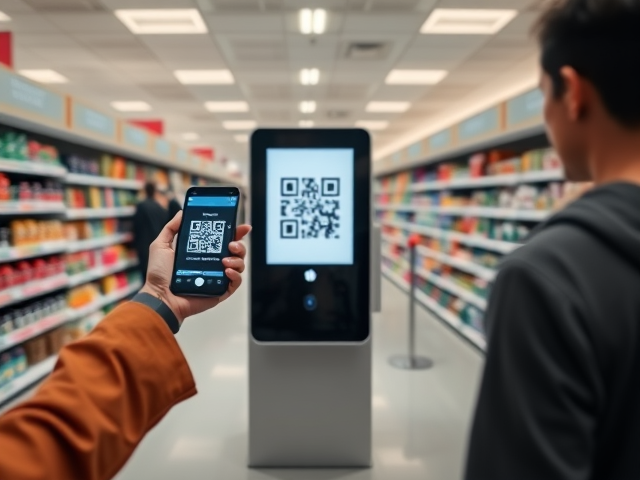
The queues of today look very different from the queues of yesterday. Here's how digital queue solutions have transformed the waiting experience:
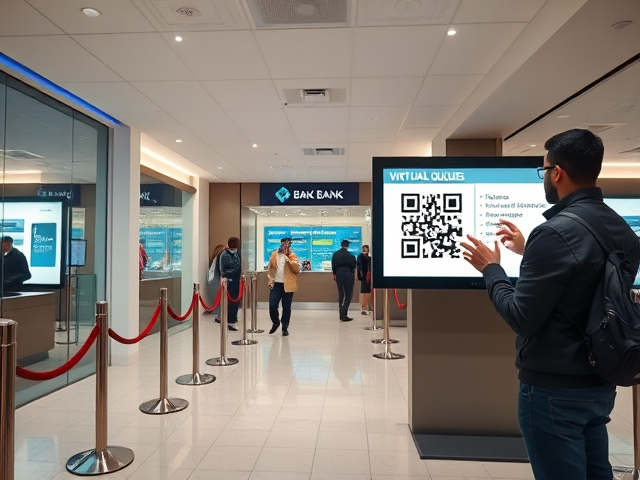
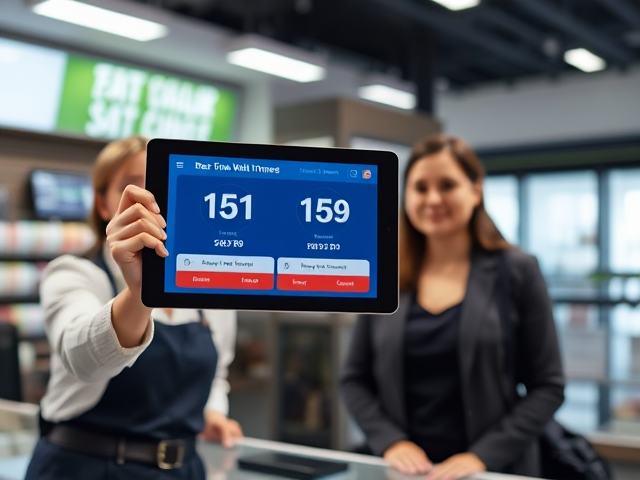
One of the biggest drivers behind the evolution of queue management isn't technology—it's people. Customers today expect clear communication about wait times, less time spent physically waiting, more control over their time, and a smoother, less stressful service experience.
In the past, waiting was accepted as part of the process. Today, uncertainty is the real frustration. Not knowing how long you'll wait—or why you're waiting—often feels worse than the wait itself.
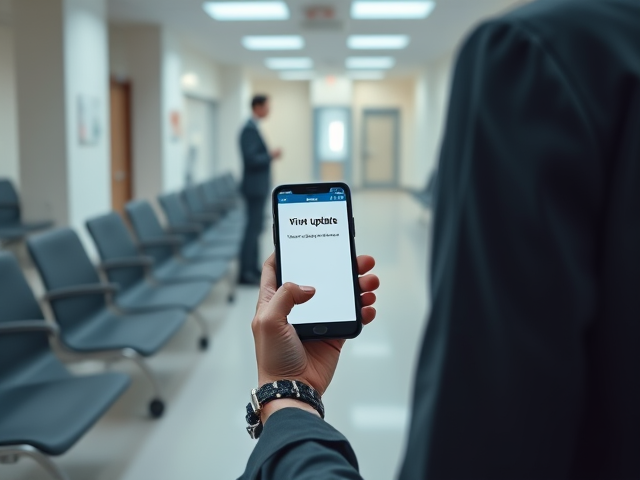
Queue management systems have adapted to address this shift by focusing not just on order, but on experience. By providing real-time updates and transparent wait information, businesses can turn what was once a source of frustration into a moment of trust and confidence.
Modern queue management is no longer just about organising a line. It plays a bigger role in how services operate. Today's systems support real-time updates on waiting times, flexible handling of both appointments and walk-ins, prioritisation based on service needs, and better visibility for both customers and staff.
This transforms queue management from a simple operational tool into something much more important:
By integrating seamless communication into the queuing process, businesses turn a mundane wait into an opportunity for positive engagement—reinforcing their commitment to customer care.
The short answer to whether queue management is still relevant is yes—but not in its old form. What we are seeing globally is not the removal of queues, but their transformation. Queues are becoming less visible, more structured, better managed, and more integrated into the overall service journey.
Efficient queue management is vital for any customer-facing business. It's not just about guiding people; it's about creating an orderly, comfortable environment where customers feel respected and valued.
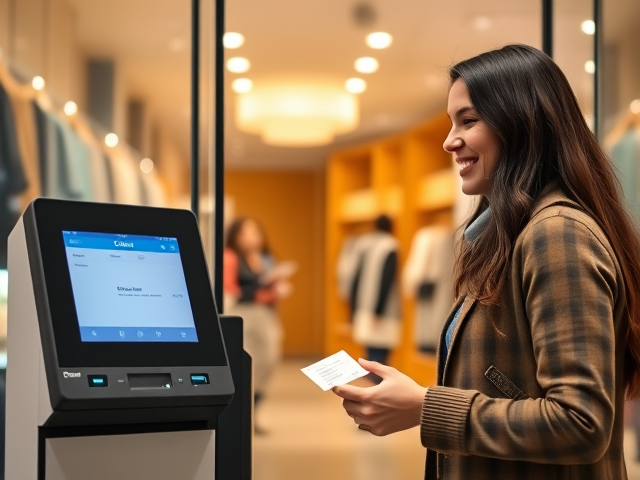
In today's competitive market, outstanding customer service isn't just a nice-to-have; it's essential. It's the difference between a customer who comes back and one who doesn't. Here's how queue management plays a crucial role in elevating customer service standards:
Effective customer service is a continuous journey of understanding and responding to customer needs. Implementing a robust queue management system is a powerful step in this journey, ensuring that every interaction counts towards building a strong, lasting relationship with your customers.
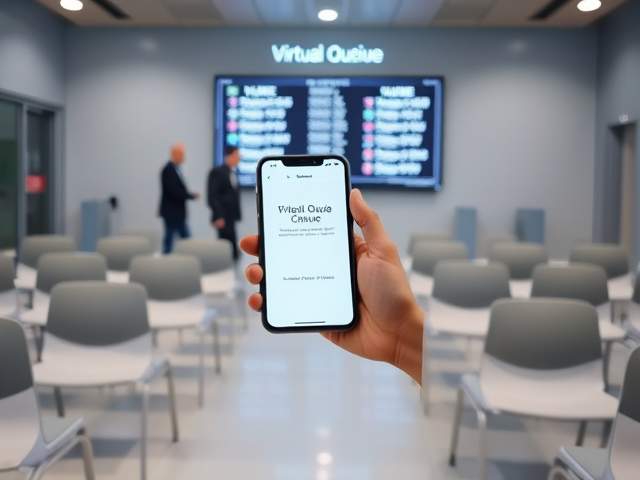
The benefits of virtual waiting lines for healthcare and government services extend far beyond convenience. In these sectors, where service demand can be unpredictable and patient or citizen satisfaction is critical, queue management systems deliver measurable improvements.
In healthcare, virtual queuing reduces overcrowding in waiting rooms, allowing patients to arrive closer to their appointment time. This not only improves the patient experience but also helps healthcare facilities manage resources more effectively.
Queue management systems provide the framework for managing demand without the stress of physical lines. Customers know exactly what to expect and when, reducing frustration and improving overall satisfaction with the service.
And when citizens and patients aren't constantly dealing with uncertainty, they're free to focus on what matters—receiving the care or service they need. This not only improves satisfaction among the public but also elevates the overall quality of service delivery.
In the world of business, inefficiencies are more than just inconveniences; they directly impact your bottom line. Long, unmanaged lines not only escalate operational costs but can also lead to lost sales and damaged reputations.
Queue management makes a difference by:
The impact of a modern queue management system can be substantial. By improving productivity and efficiency, it opens the door to significant operational cost savings and positions your business for long-term success.
Modern queue management systems do more than just manage lines; they provide data across your entire customer journey. This data is key to making smarter, more informed decisions in your business.
By leveraging data from queue management systems, businesses can continuously refine their service delivery, optimise staff allocation, and create experiences that keep customers coming back.


It might feel like queues are disappearing, especially in places where appointment systems are becoming common. But in reality, the need to manage demand, waiting, and service flow has never gone away.
Queue management is still very much relevant—it has simply evolved from a visible line into a smarter, more flexible, and more customer-focused system.
The question is no longer "Do we need queues?" but rather: "How do we manage waiting in a way that works better for everyone?"
For businesses across Australia and beyond, the answer lies in adopting modern queue management solutions that prioritise both efficiency and experience. Whether through digital queue solutions, appointment scheduling software, or customer flow optimization strategies, the organisations that embrace these tools will be the ones that thrive in today's service-driven economy.
Ready to revolutionise your customer service? Discover how QueueBee's Queue Management and Appointment Booking Systems can transform your business operations.
Contact us today for a personalised solution