Walking into a busy Australian service centre or retail store today often presents a familiar choice: stand in a traditional manual waiting line or join a digital queue. For years, manual waiting lines have been the default. Customers would grab a numbered ticket, wait on a hard bench, and hope their turn arrives quickly. But as service expectations evolve, that old model is showing its cracks. Long physical lines create bottlenecks, frustrate staff, and drive customers toward competitors who offer smarter alternatives.
Enter the modern Queue Management System. By replacing paper tickets and crowded floors with virtual queuing, real-time updates, and automated routing, businesses are transforming how they handle customer flow. The question is no longer whether to upgrade, but which approach truly delivers better outcomes for both staff and patrons. Let’s break down the comparison and see which method wins in today’s fast-paced service environment.
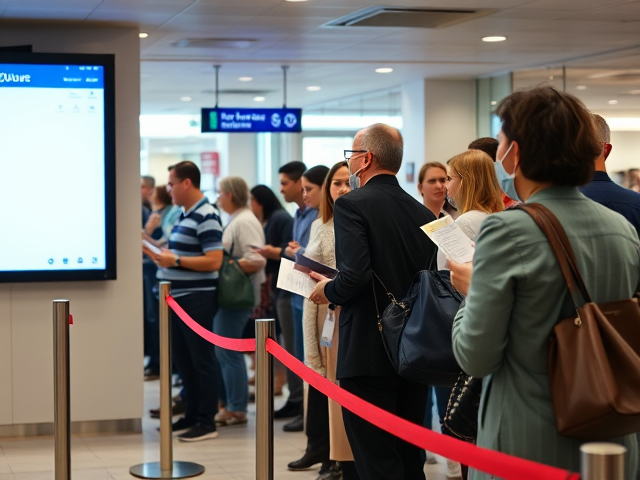
In Australia’s highly competitive service sector, customer patience is thinner than ever. A manual waiting line might work for a small local shop, but it quickly becomes a liability for clinics, government offices, banks, and busy retail chains. Long physical queues increase perceived wait times, trigger walk-aways, and create stressful environments for both customers and frontline staff.
Switching to a Queue Management System isn’t just about technology—it’s about strategy. Digital queuing eliminates the physical bottlenecks of manual waiting lines, reduces front-desk chaos, and gives customers control over their time. When businesses compare the two approaches, the data consistently shows that automated queue systems deliver higher satisfaction, better staff utilisation, and measurable operational savings.
How Each Method Handles Customer Flow

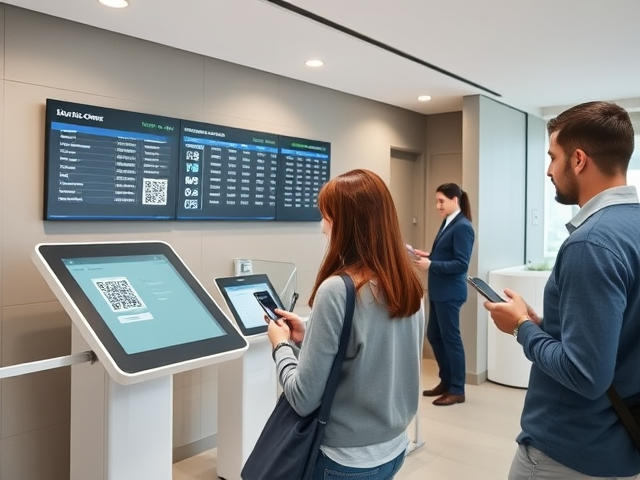
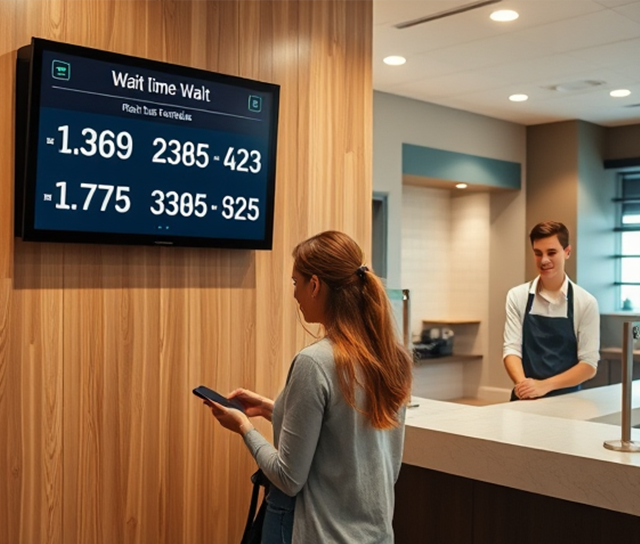
Research consistently shows that customers begin feeling frustrated after just 5 to 7 minutes of waiting. Manual waiting lines amplify this anxiety because there’s no visibility into how many people are ahead, how long service takes, or whether the queue is moving. A Queue Management System solves this by calculating accurate wait times, routing customers efficiently, and often cutting perceived wait times by up to 60%.
When customers know exactly when their turn arrives, stress drops dramatically. Virtual queuing also frees them from standing in crowded lobbies, allowing them to run errands, work remotely, or simply relax until their notification arrives. For businesses, shorter perceived waits translate directly into higher conversion rates and fewer walk-aways.
Manual lines cannot match this level of precision. They rely on guesswork, manual counting, and reactive staff intervention. A Queue Management System, on the other hand, proactively manages flow, balances workloads across counters, and ensures every customer is served fairly and promptly.
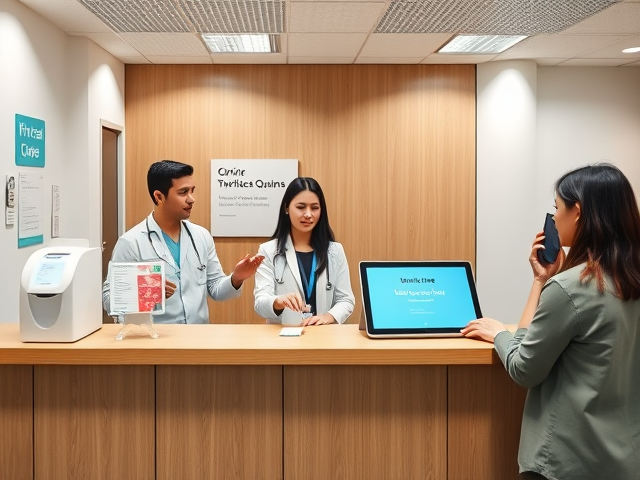
Communication is the backbone of trust. With manual waiting lines, customers are left guessing. Is the counter closed? Are they serving walk-ins or appointments? How much longer? Uncertainty breeds frustration. A Queue Management System eliminates the guesswork by providing automated, real-time updates via SMS, WhatsApp, email, or on-screen displays.
This transparency delivers three major benefits:
Manual waiting lines simply cannot replicate this level of communication. They rely on physical signage, shouted announcements, or staff constantly breaking away from service to answer the same questions repeatedly. A Queue Management System automates this entirely, freeing staff to focus on actual service delivery.
Frontline staff in businesses relying on manual waiting lines face constant pressure. They manage physical queues, handle complaints about wait times, and struggle with uneven workload distribution. This leads to burnout, higher turnover, and inconsistent service quality. A Queue Management System flips this dynamic by automating queue logic, balancing service requests across staff, and providing real-time dashboards for floor managers.
Manual waiting lines place the entire burden of flow management on human staff. A Queue Management System handles the logistics automatically, turning a chaotic environment into a streamlined, predictable operation.
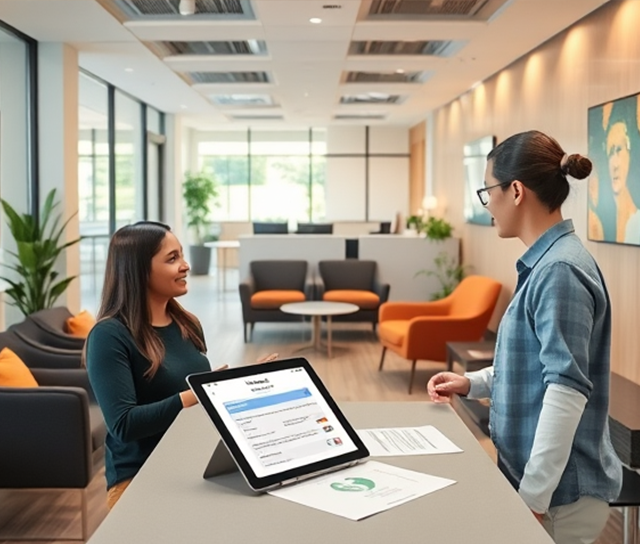
In Australia’s service-driven economy, customer experience is the ultimate differentiator. A Queue Management System doesn’t just manage lines—it shapes the entire visit. From the moment a customer joins virtually, to the personalised service they receive, to the post-visit feedback loop, every touchpoint is optimised.
Manual waiting lines cannot offer this level of consistency or customer empowerment. A Queue Management System turns a traditionally negative experience into a competitive advantage.
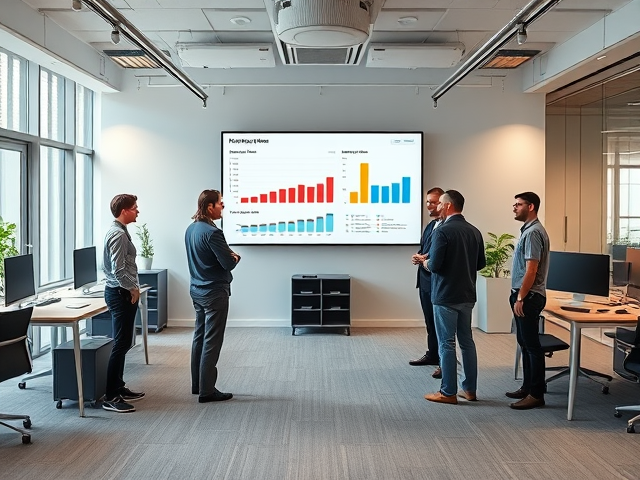
Manual waiting lines might seem cheaper upfront, but they hide significant operational costs. Wasted floor space, higher staff turnover, lost sales from walk-aways, and the constant need for manual oversight all add up. A Queue Management System, by contrast, delivers measurable ROI through reduced operational friction and increased throughput.
When customers aren’t forced to wait in physical lines, they’re more likely to complete their transactions. Staff spend less time managing crowds and more time delivering service. Over time, this efficiency compounds into substantial cost savings.
Additionally, digital queuing systems often integrate with CRM, payment gateways, and analytics platforms, creating a unified ecosystem that drives smarter business decisions. The initial investment pays for itself through higher conversion rates, lower staffing overhead, and improved customer retention.
Manual waiting lines leave businesses flying blind. There’s no record of peak hours, average service times, or customer drop-off rates. A Queue Management System captures every interaction, providing actionable analytics that help managers optimise staffing, adjust operating hours, and identify service bottlenecks.
When comparing a Queue Management System vs manual waiting lines, the answer is clear for any business serious about growth, efficiency, and customer satisfaction. Manual lines may work for very small, low-volume operations, but they fail to scale, lack transparency, and drain staff morale. A modern Queue Management System eliminates physical bottlenecks, reduces perceived wait times, empowers customers with control, and provides the data needed to continuously improve.
For Australian businesses aiming to stay competitive, upgrade their service standards, and deliver a seamless customer journey, the Queue Management System is not just an upgrade—it’s a necessity.
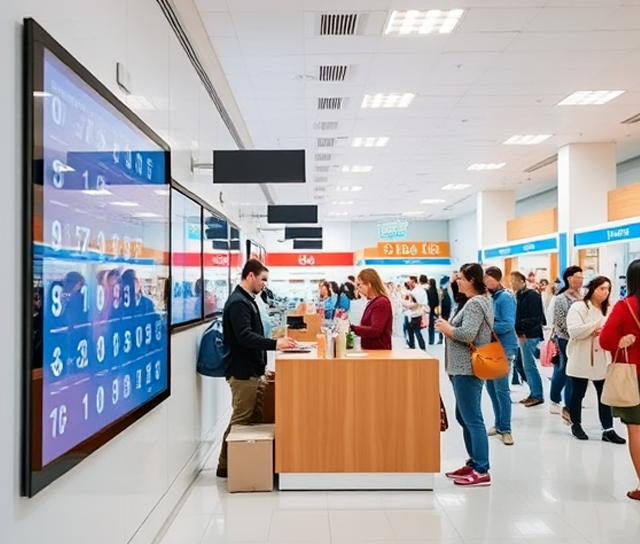
Ready to replace manual waiting lines with a smarter, faster, and more customer-friendly solution? Discover how QueueBee’s Queue Management System can transform your service operations, reduce wait times, and boost customer satisfaction across your Australian locations.
Contact us today for a personalised demo and see the difference.