
Picture this: it's 8am on a Saturday morning in Melbourne. Your favourite corner cafe has just opened its doors, and within minutes, a queue stretches out the front door and down the footpath. Patrons shuffle forward with their flat whites and breakfast orders, checking their watches and sighing. The barista works furiously behind the counter, but the line doesn't budge. This is the daily reality for countless cafes and fast food chains across Australia, from Sydney's CBD to Perth's suburban strips.
The problem isn't just about patience. It's about lost revenue, frustrated staff, and customers who simply walk away. In Australia's fiercely competitive food and beverage market, where consumers have endless options at their fingertips, a poor queue experience can cost you repeat business faster than you can say "latte." A modern queue management system is no longer a luxury for cafes and fast food chains in Australia — it's an operational necessity.

Australia's food service industry operates at a pace that demands precision. With peak lunch rushes between 12pm and 2pm, weekend brunch crowds that arrive before opening, and the ever-present demand for speed and convenience, traditional first-come-first-served queuing simply cannot keep up. Customers today expect the same level of efficiency from their coffee order as they do from their online shopping.
According to industry data, the average Australian consumer will wait no more than five minutes before becoming dissatisfied. For cafes and fast food chains, that window is even shorter during peak hours. A smart queue system addresses this challenge head-on by eliminating physical lines, providing real-time wait estimates, and enabling customers to join a queue remotely. The result? Shorter perceived wait times, higher throughput, and significantly improved customer satisfaction scores.
Core Components Of A Queue Management System
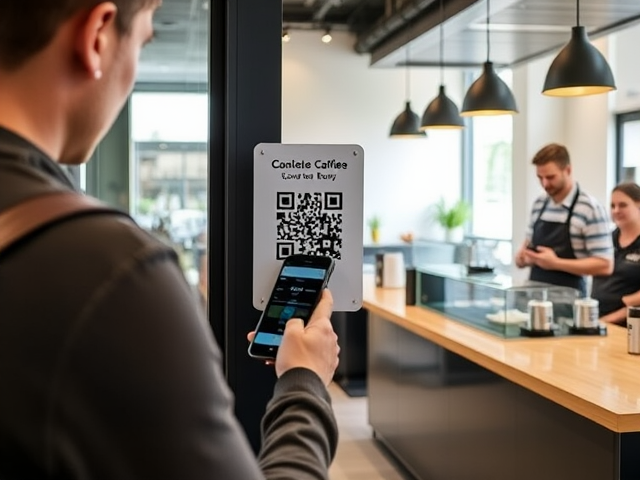
In the fast food and cafe industry, speed is everything. Australian consumers are accustomed to quick service, and when a queue management system eliminates the physical queue, the impact on turnaround time is immediate. Customers who would have walked away from a 15-minute physical line are now joining a virtual queue and spending that time elsewhere — only returning when their order is ready.
By smoothing out peak-hour bottlenecks, a smart queue system ensures that orders are processed in the sequence they were received, not in the order people happened to arrive. This fairness, combined with accurate wait time estimates, dramatically improves the customer experience. When patrons know exactly how long they will wait, frustration drops and satisfaction rises.
For fast food chains in Australia, this means higher table turnover, more orders served per hour, and a noticeable uplift in revenue during the busiest periods of the day.
Nothing erodes customer trust faster than uncertainty. When a patron is standing in a physical queue at a busy Sydney cafe, they have no way of knowing whether the wait is five minutes or twenty. A smart queue system removes that ambiguity entirely.
Through automated SMS, WhatsApp, or in-app notifications, customers receive real-time updates on their position in the queue and an estimated wait time. This transparency delivers three critical benefits:
By integrating seamless communication into the queuing process, cafes and fast food chains turn what was once a pain point into a competitive advantage. The queue management system becomes a touchpoint for positive engagement rather than a source of frustration.
Physical queues take up valuable floor space in cafes and fast food outlets. In urban Australian centres where rent per square metre is among the highest in the world, every metre of floor space occupied by a standing queue is floor space that could be generating revenue through additional seating or a streamlined service counter.
Efficient crowd management is not just about logistics — it's about creating an environment where customers feel valued and comfortable. For Australian cafe and fast food operators, a smart queue system delivers exactly that, transforming the customer journey from the moment they approach the premises.
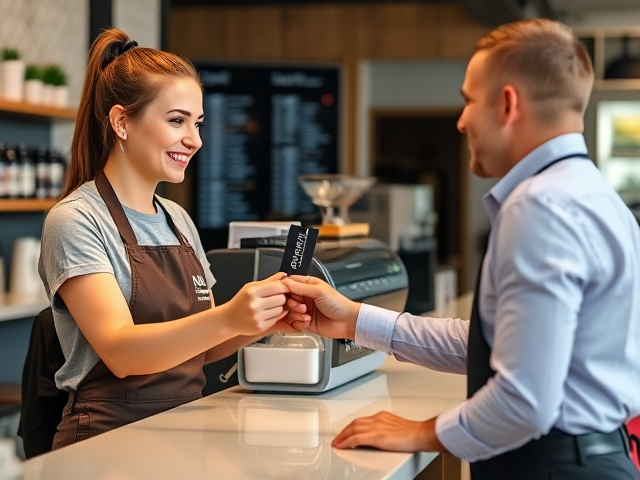
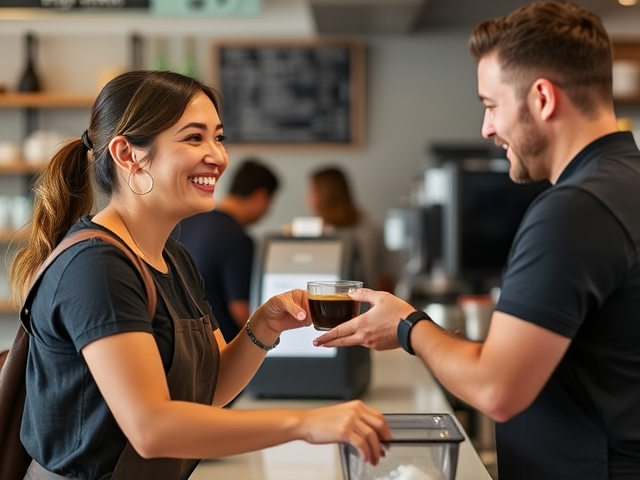
In Australia's competitive food service landscape, service quality is the primary differentiator. A queue management system elevates every interaction between the customer and the brand, ensuring that each visit leaves a positive impression.
Effective service quality is the foundation of customer retention. Implementing a robust queue management system is a powerful step toward building a loyal customer base in Australia's dynamic cafe and fast food market, where every interaction counts toward long-term brand loyalty.
Consider the typical fast food outlet in Australia during the lunch rush. The phone rings with delivery orders, the drive-thru window is active, and the counter queue is growing. Staff are pulled in multiple directions, and the pressure mounts. In this environment, even the most dedicated team can struggle to maintain service quality.
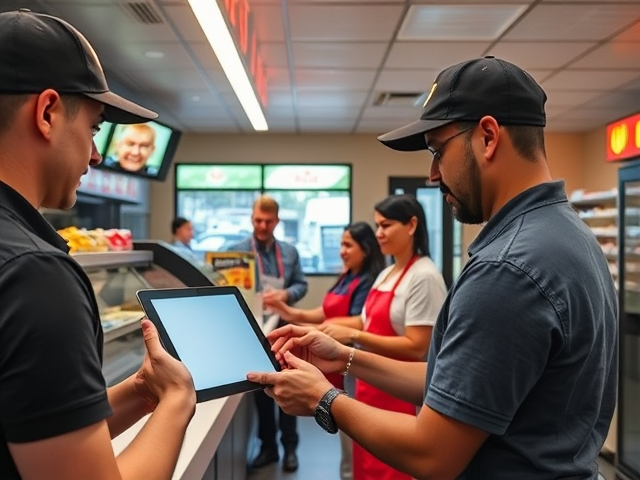
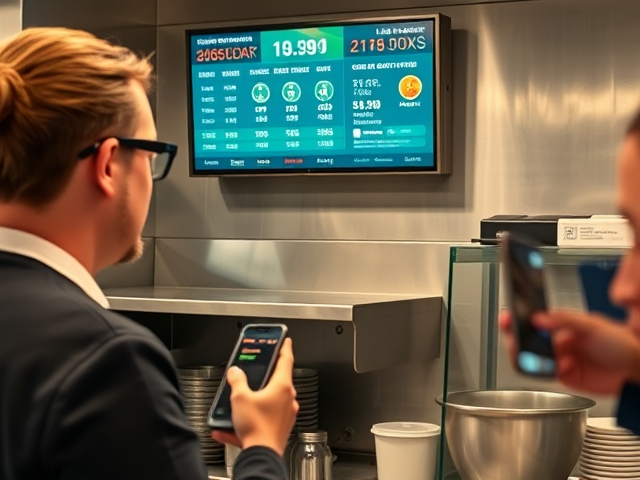
When a queue management system is in place, the dynamic changes completely. Orders flow in digitally, are prioritised automatically, and are displayed on kitchen screens in the order they were received. Staff no longer need to shout across the counter or manage a physical line of impatient customers. The system handles the organisation; the team handles the service.
Less stress, fewer errors, and a more focused workforce. When staff are not constantly firefighting queue-related issues, they can dedicate their energy to food preparation, customer interaction, and maintaining hygiene standards — all of which directly impact the bottom line.
For multi-location fast food chains in Australia, this efficiency gain is multiplied across every outlet. Uniform queue management processes ensure that every location delivers the same high standard of service, reinforcing brand reputation and customer trust nationwide.
In the Australian food service industry, margins are tight. Every minute of idle time, every wasted ingredient, and every lost customer represents a direct hit to profitability. A smart queue system addresses these cost drains systematically.
Queue management systems reduce operational costs in several measurable ways:
The financial impact of a smart queue system extends beyond immediate operational savings. By improving throughput, reducing waste, and increasing customer retention, the return on investment for a queue management system in the Australian cafe and fast food sector is both rapid and substantial.
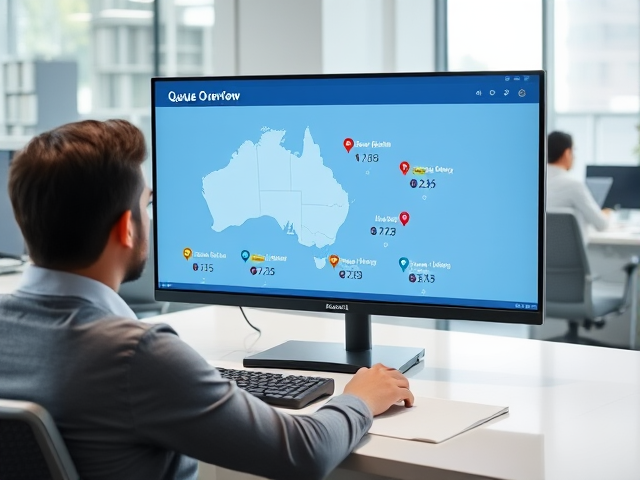
A smart queue system does far more than manage lines — it generates actionable data across the entire customer journey. For cafe and fast food chain operators in Australia, this data is invaluable for making informed business decisions.
By turning queue data into strategic intelligence, Australian cafe and fast food operators gain a competitive edge that goes far beyond queue management. The insights fuel growth, efficiency, and customer loyalty — the three pillars of long-term success in the food service industry.

QueueBee's queue management system is purpose-built to address the unique challenges faced by cafes and fast food chains in Australia. From single-location specialty coffee roasters to multi-site fast food franchises, QueueBee delivers a scalable, cloud-based solution that integrates seamlessly into existing operations.
Here's what sets QueueBee apart for the Australian market:
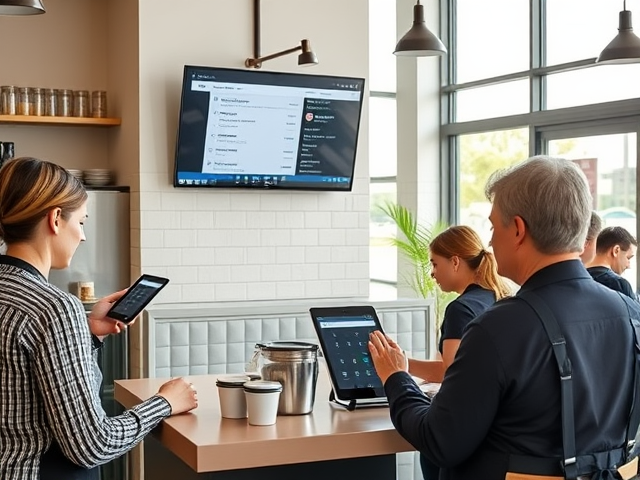
Ready to eliminate long queues, boost customer satisfaction, and increase revenue across your Australian cafe or fast food locations? Discover how QueueBee's smart queue system can revolutionise your operations.
Contact us today for a personalised demo and see the difference a queue management system makes.