
If you look around Australia and New Zealand today, it might seem like queues have largely disappeared. You book your GP online. You schedule a bank appointment. You reserve time for consultations instead of walking in. Compared to the past, the experience feels cleaner, more organised, and far less crowded.
But if you've ever arrived on time — only to wait anyway — you've probably noticed something: waiting hasn't disappeared. It's just harder to see. Across both countries, a quiet transformation has taken place. Appointment-driven systems have replaced physical lines in many sectors, creating what we now call the invisible queue Australia phenomenon — a waiting experience that exists without the familiar markers of a traditional queue.
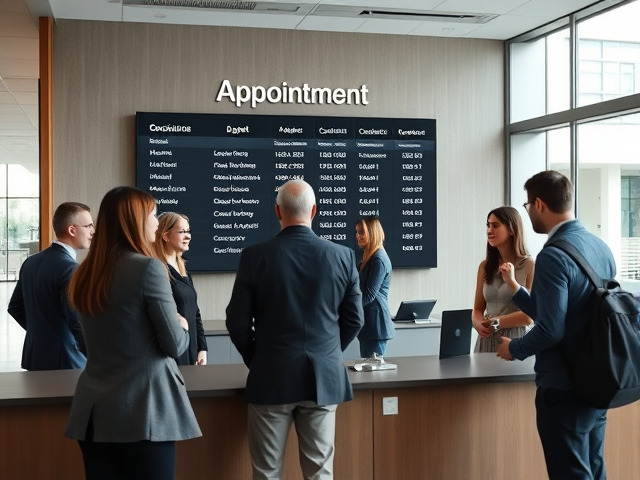
Across Australia and New Zealand, many industries have moved toward an appointment-first approach. Healthcare relies heavily on scheduled consultations. Banking has shifted toward booked advisory services. Professional services often operate on strict appointment models.
At the same time, public services — such as government offices — still rely on more traditional queue management systems because they must handle both appointments and walk-ins. This creates an interesting contrast. Some sectors show visible queues. Others appear queue-free. But the underlying reality is the same: demand still needs to be managed. People still need to wait.
The invisible queue manifests differently across industries, yet the core experience remains the same

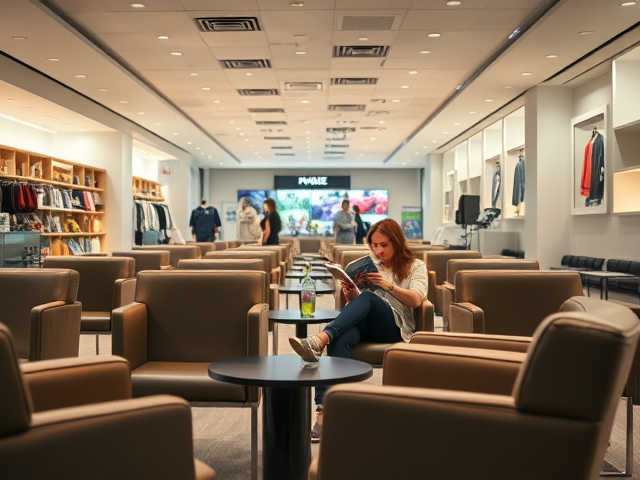
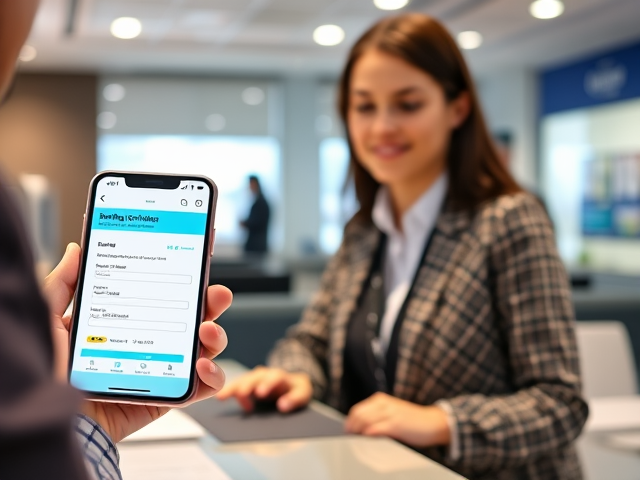

Businesses across Australia and New Zealand aim to optimise staff time and reduce idle capacity. Appointment systems help create predictable workflows, even if reality doesn't always follow the plan. The invisible queue Australia model emerged largely from this drive for efficiency — businesses wanted to control their resources, and scheduling was the tool they chose.
However, when appointments run over — which they frequently do — the customer bears the cost of that inefficiency in the form of extended, uncommunicated waiting periods. The customer waiting time New Zealand experience suffers because the system assumes perfect adherence to schedules that rarely exist in practice.
This is where understanding the invisible queue becomes critical. By recognising that appointment systems alone don't eliminate waiting — they simply restructure it — businesses can begin to address the transparency gap that leaves customers frustrated and uncertain.
People are used to booking ahead — whether it's a GP visit, a haircut, or a consultation. This reduces tolerance for walk-ins and encourages structured scheduling. Online booking tools, reminders, and mobile access have made appointment systems easy to implement and widely accepted.
While these developments have improved convenience, they've also introduced a new problem: the loss of queue visibility. When customers can't see the queue, they can't understand it. This uncertainty creates several challenges:
By integrating transparent queue communication into appointment systems, businesses can preserve the convenience of scheduling while restoring the visibility that customers need to feel in control. Queue management solutions Australia providers are increasingly recognising that booking alone is not enough — real-time transparency is what truly improves the customer experience.
Waiting is not just a time issue — it's a perception issue. When people feel informed and in control, they are more patient. When they feel uncertain, even short waits can feel long and frustrating. The invisible queue removes the context that helps people tolerate waiting.
Understanding the invisible queue is the first step toward solving it. By bringing transparency back into appointment-driven environments, businesses can address why customers still experience long wait times in Australian retail, healthcare, and professional services — not because waiting has increased, but because visibility has decreased.
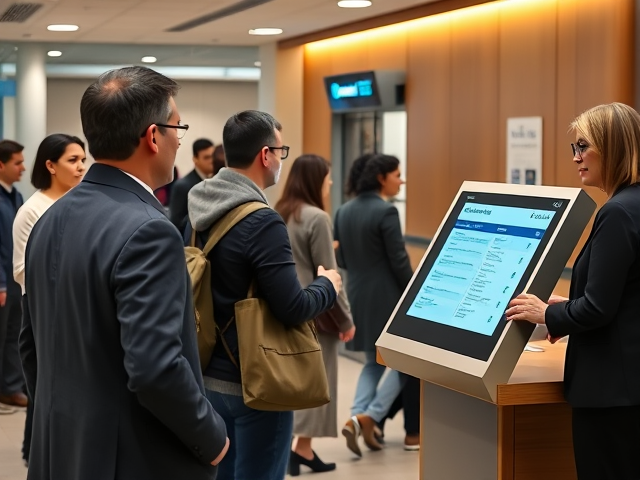
One reason public services in Australia and New Zealand still rely on visible queue systems is simple: they have to serve everyone. Walk-ins, urgent cases, and people without access to online booking all require real-time queue management. In contrast, industries like healthcare and banking try to rely more heavily on appointments — but still face the same unpredictability beneath the surface.
The invisible queue Australia phenomenon isn't a problem to eliminate — it's a reality to manage. By recognising that waiting will always exist in some form, businesses can focus on making that waiting transparent, predictable, and respectful of customer time.
As services continue to evolve, one question becomes increasingly important: is hiding the queue really improving the experience — or just changing how we see the problem? The answer lies in transparency. A truly better waiting experience gives customers the information they need to feel in control.
For the invisible queue Australia challenge to be addressed, businesses need to bring visibility back into appointment-driven environments. This doesn't mean returning to physical ticket lines — it means using technology to provide real-time updates, clear wait estimates, and honest communication about delays.
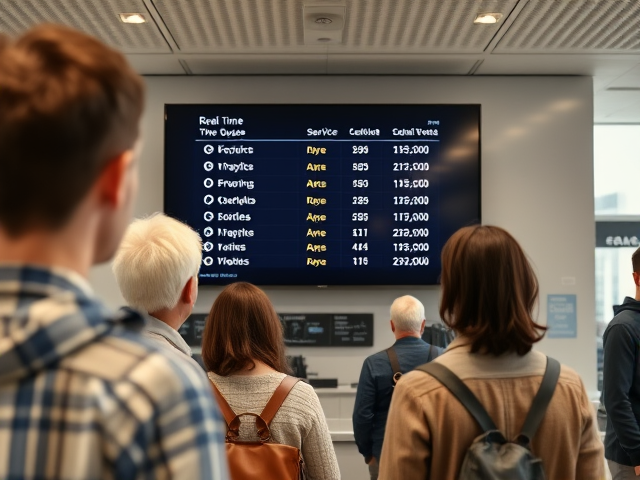
Real-time queue status updates that show customers exactly where they stand. Transparent communication about why appointments are running late. Flexible options that allow customers to adjust their arrival time based on current conditions. And above all, respect for customer time through honest, proactive communication.
When businesses adopt these principles, the invisible queue Australia problem begins to dissolve. Customers no longer feel trapped in uncertainty. They understand what's happening, why it's happening, and when they can expect to be served. This is the foundation of improved customer waiting time New Zealand experiences — and it's achievable with the right queue management solutions Australia providers can help implement.
And when customers feel informed and respected, waiting becomes manageable. It becomes part of the service experience rather than a source of frustration. That shift — from hidden uncertainty to transparent clarity — is what separates good customer service from great customer service.
It may feel like queues are disappearing across Australia and New Zealand, but in reality, they are simply becoming less visible. The shift from physical lines to appointment-based systems has changed how we experience waiting — but it hasn't removed it. In many cases, it has made waiting less obvious, less transparent, and sometimes more frustrating.
QueueBee's approach to queue management addresses the invisible queue Australia challenge head-on by combining the convenience of appointment scheduling with the transparency of real-time queue visibility. Here's how:
The impact of making the invisible queue visible can be substantial. By restoring transparency to appointment-driven environments, businesses can address why customers still experience long wait times in Australian retail and healthcare while preserving the convenience that digital booking provides. QueueBee's queue management solutions Australia businesses rely on are designed to do exactly this — bridging the gap between scheduling convenience and service transparency.
The invisible queue Australia phenomenon will continue to grow as more industries adopt appointment-driven models. But growth doesn't have to mean loss of visibility. The future of queue management lies in systems that honour both convenience and transparency — giving customers the best of both worlds.

The invisible queue Australia challenge is real, but it's solvable. By choosing queue management solutions Australia businesses can trust — solutions that combine scheduling convenience with real-time transparency — organisations can ensure that waiting is never hidden, never uncertain, and never frustrating. That's the future of customer service in Australia and New Zealand, and it starts with making the invisible visible.
Ready to transform your customer experience and eliminate the invisible queue Australia challenge? Discover how QueueBee's queue management and appointment scheduling systems bring transparency, control, and efficiency to every waiting experience.
Contact us today for a personalised solution