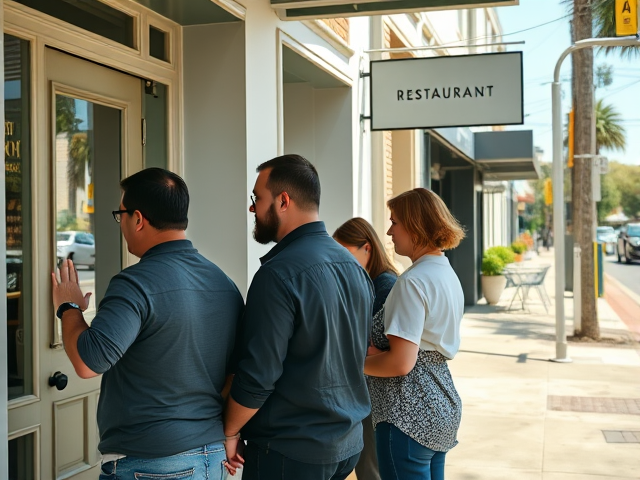
Picture this: it's a warm Friday evening in Sydney. You've been looking forward to dinner at a popular restaurant in the CBD for days. You arrive on time, only to find a queue stretching past the entrance. The host smiles politely and tells you the wait is 45 minutes. Do you stay and hope for the best, or walk away to find somewhere else?
This scenario plays out in restaurants across Australia every single day. From bustling brunch spots in Melbourne to popular seafood restaurants in Perth, long physical queues have become a frustrating reality for diners and a costly problem for restaurateurs. The modern Australian diner expects convenience, respect for their time, and a seamless experience from the moment they decide to dine out.
The good news? A virtual queue system can solve this problem entirely. By allowing guests to join a queue remotely and receive real-time updates, restaurants can eliminate the pain of standing in line while keeping their dining room flowing smoothly. This is where a modern queue management system transforms not just operations, but the entire dining experience.

Australia's hospitality industry is one of the most vibrant in the world. With a culture that celebrates dining out, weekend brunches, and food festivals, restaurants face immense pressure to deliver exceptional experiences. But when physical queues become the norm, that experience starts to crumble before the first course is even served.
Long wait times don't just frustrate diners — they impact revenue, staff morale, and brand reputation. A study of consumer behaviour in Australia shows that nearly 60% of diners will abandon a physical queue if the wait exceeds 20 minutes. That's a direct loss of potential revenue for the restaurant and a missed opportunity to build customer loyalty. Implementing a reliable queue management system addresses this challenge head-on.
Not all queue solutions are created equal. Here's how they compare in a dining context:
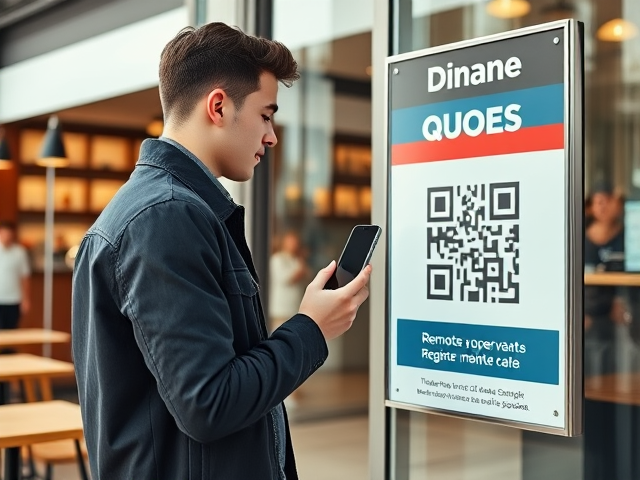
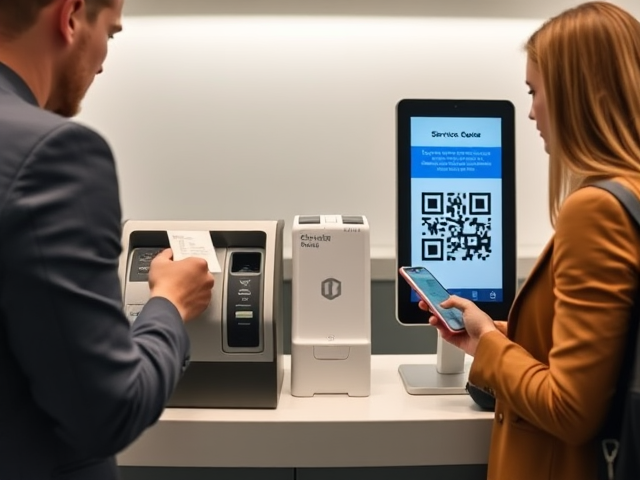

In Australia, the average diner is willing to wait approximately 15 minutes before feeling genuinely impatient. Beyond that threshold, satisfaction drops sharply. A virtual queue system eliminates the physical wait entirely, allowing guests to arrive at their table precisely when it's ready. This respect for time is one of the most powerful ways a queue management system can improve the dining experience.
When diners know they won't be stranded outside for 30 or 40 minutes, they're far more likely to choose your restaurant over a competitor. The psychological benefit is significant: guests feel valued, respected, and in control of their evening. This alone can turn a first-time visitor into a loyal regular.
Restaurants that have adopted a virtual queue system report up to a 40% reduction in perceived wait times. That's not just a metric — it's a direct driver of customer satisfaction, positive reviews, and repeat business.
Uncertainty is the enemy of a great dining experience. When guests don't know their place in the queue or how long they'll wait, anxiety builds. A virtual queue system solves this by providing constant, transparent communication throughout the entire process.
Imagine a system where diners receive automatic updates via SMS or a dedicated app:
By integrating seamless communication into the queuing process, restaurants create a sense of care and professionalism. Guests feel looked after from the moment they join the queue until they're seated. This attention to detail is what separates good restaurants from great ones.
Overcrowded restaurants create a negative atmosphere. When the entrance is packed with people waiting, it signals chaos to passersby and discomfort to those already seated. A virtual queue system helps restaurants maintain a calm, controlled environment by distributing arrivals more evenly throughout the service period.
Efficient crowd management isn't just about logistics — it's about atmosphere. A well-managed queue creates a restaurant that feels premium, professional, and guest-focused. This is a competitive advantage in Australia's crowded dining market.

In Australia's competitive restaurant industry, customer service is everything. A queue management system doesn't just manage lines — it enhances every touchpoint of the guest journey. Here's how it elevates service standards:
Effective customer service is a continuous journey of understanding and responding to guest needs. Implementing a robust queue management system is a powerful step in this journey, ensuring that every interaction counts towards building a strong, lasting relationship with your diners.
Restaurant staff in Australia face immense pressure during peak hours. Hosts deal with frustrated guests, servers manage overwhelming tables, and kitchen teams work under tight deadlines. When queues are unmanaged, this stress multiplies. Complaints about wait times, aggressive behaviour from impatient diners, and the constant pressure of crowd control take a real toll on team morale.
Consistently dealing with unhappy customers is exhausting. It's not just the occasional complaint — it's the daily grind of managing expectations and defusing tension. This environment leads to burnout, high turnover, and inconsistent service quality.
A virtual queue system removes much of this pressure. When guests are informed, comfortable, and know their place in line, the interaction between staff and diners becomes far more positive. Hosts are no longer the target of frustration because the system handles the communication.
And when staff aren't constantly managing chaos, they can focus on what they do best: delivering exceptional hospitality. They can greet guests warmly, provide personalised recommendations, and ensure every table feels valued. This shift in dynamic improves morale, reduces turnover, and ultimately elevates the quality of service across the entire restaurant.
In the restaurant industry, every walk-away guest represents lost revenue. Consider this: a party of four at a mid-range restaurant in Melbourne can easily spend between $120 and $200 on a single dinner. When that party walks away because the physical queue is too long, the restaurant doesn't just lose that meal — it loses the potential for a regular customer, a positive online review, and word-of-mouth referrals.
A virtual queue system captures these guests instead of losing them. By allowing diners to join remotely, restaurants retain control of the customer journey from the very first interaction. Here's how this translates into tangible benefits:
The financial impact of a virtual queue system can be substantial. By reducing operational inefficiencies and capturing guests who would otherwise walk away, restaurants see a direct improvement to their bottom line. In Australia's competitive dining landscape, this advantage can be the difference between thriving and merely surviving.
A modern queue management system does far more than manage lines — it provides valuable data across your entire guest journey. This data is essential for making smarter, more informed decisions about your restaurant's operations.
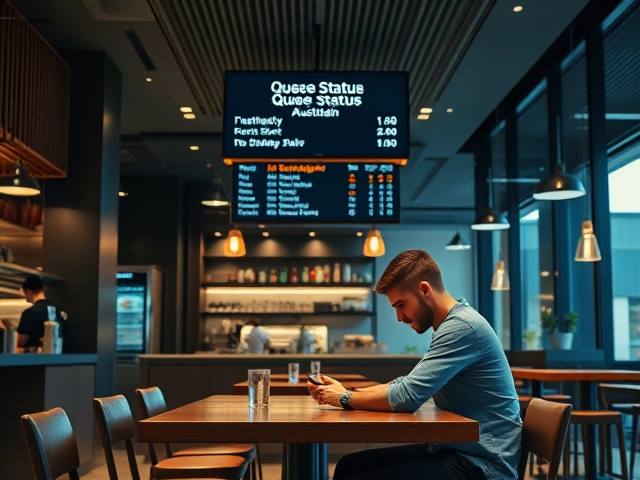
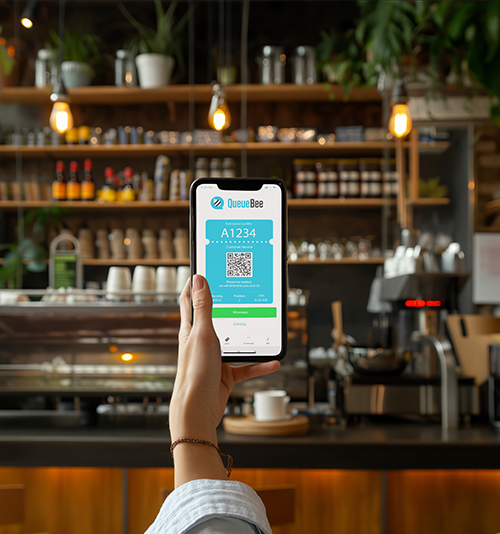
Australia's dining culture is evolving. Diners are more tech-savvy than ever, expecting the same convenience from restaurants that they experience from online shopping, ride-sharing, and food delivery apps. A virtual queue system meets this expectation head-on, positioning your restaurant as modern, efficient, and guest-focused.
Restaurants across Sydney, Melbourne, Brisbane, and Perth are already adopting virtual queuing technology. The early adopters are seeing the results: happier guests, more efficient operations, and stronger revenue. Those who wait risk falling behind as customer expectations continue to rise.
The question is no longer whether your restaurant should adopt a virtual queue system — it's how quickly you can implement one. The technology is accessible, the setup is straightforward, and the return on investment is clear. For restaurant owners in Australia, the future of dining experience management is here, and it's virtual.
Ready to eliminate long queues, boost customer satisfaction, and increase revenue for your restaurant? Discover how QueueBee's virtual queue system and queue management system can transform your dining operations across Australia.
Contact us today for a personalised solution