"The queue is your first impression. If you make someone wait without respect, you've already lost the relationship — before you even say hello." — Queue Management Industry Insight, AU/NZ Enterprise Forum 2024
Every day, thousands of customers walk through the doors of restaurants, cafes, banks, and retail stores across Australia and New Zealand. They arrive with expectations shaped by digital convenience, instant gratification, and seamless service. And when those expectations aren't met, the result is predictable: frustration, lost sales, and damaged brand reputation.
The hard truth is that waiting is over — not just for the customer, but for the old way of managing queues. Businesses that cling to physical lines and guesswork are no longer competing on product or price alone. They're competing on patience, and your customers won't do it anymore.
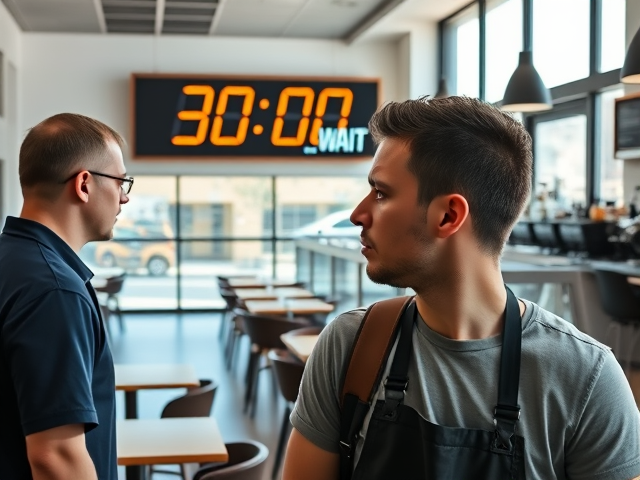
In the F&B Australia and New Zealand landscape, the margin between success and stagnation is often measured in minutes. A 15-minute wait feels like an eternity. A 30-minute wait feels like an insult. And in a market where alternatives are always a tap away, that insult becomes a permanent loss.
Consider this: the average customer will abandon a physical queue after just 5 to 10 minutes. That's not impatience — that's a rational response to a system that doesn't respect their time. When a customer walks out, they don't just leave a sale behind. They leave behind a brand impression that lingers on social media, review platforms, and word-of-mouth conversations.
The question isn't whether your business can afford to implement queue management. The question is whether you can afford the reputation damage of waiting too long to act.
The landscape of customer service has shifted dramatically. Here are the five trends that are reshaping how customers expect to be treated — and why ignoring them is a business risk.
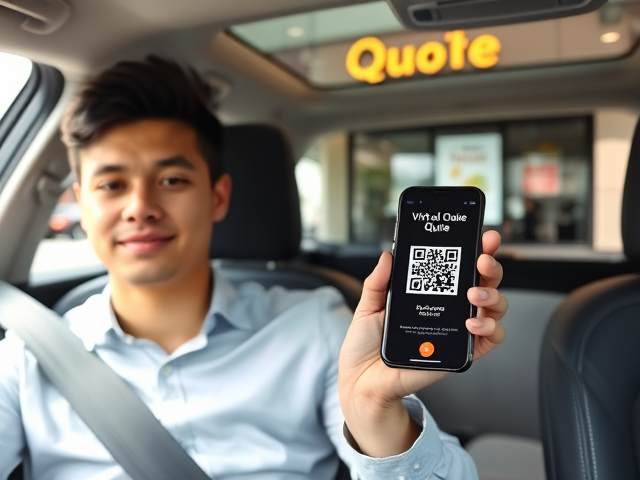

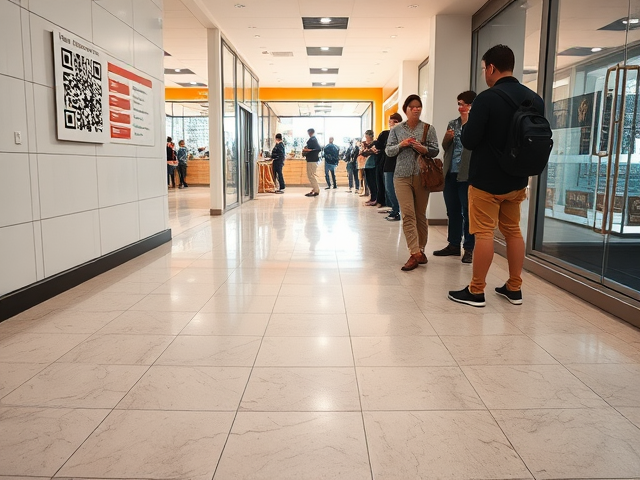
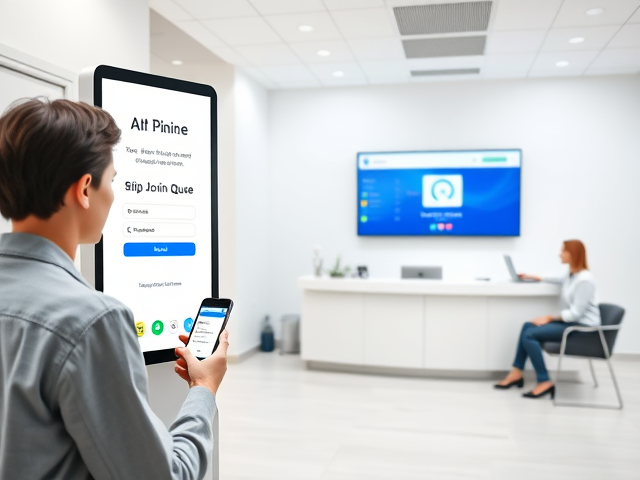
The era of standing in a physical queue is ending. Across F&B Australia and New Zealand, customers now expect to join a queue digitally — from their phone, from their car, or from the comfort of their home. Invisible queuing isn't a futuristic concept; it's the current standard for businesses that want to stay relevant.
When a customer can scan a QR code at the door and receive a notification when their table is ready, the experience shifts from frustration to convenience. The impression they carry away isn't about how long they waited — it's about how respected they felt.
Businesses that still rely on first-come, first-served physical lines are operating in a model that customers have already voted against. Waiting is over — and the businesses that adapt first will capture the loyalty of a generation that values time as much as service.
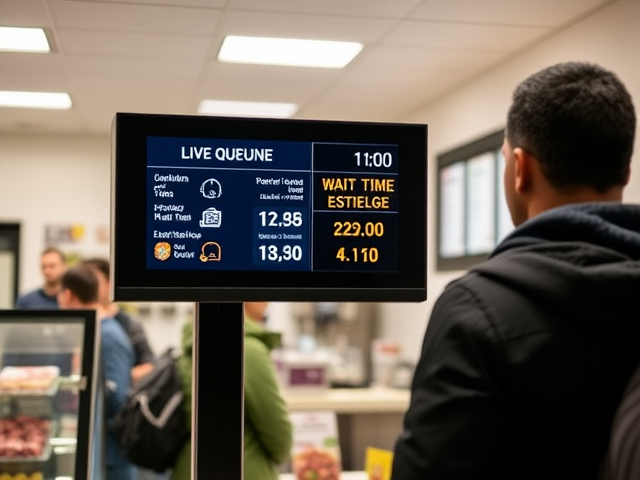
Uncertainty is the enemy of trust. When a customer has no idea how long they'll wait, their anxiety climbs. Research shows that showing real-time wait estimates — "You are 4th in line — estimated 11 minutes" — can reduce perceived wait time by up to 35%. That's not a minor improvement. That's a game-changer.
Transparent communication about queue status does three critical things:
In a market where your customers won't do it anymore — won't tolerate guesswork, won't accept silence, won't forgive disrespect — transparency isn't optional. It's the baseline requirement for doing business in Australia and New Zealand today.
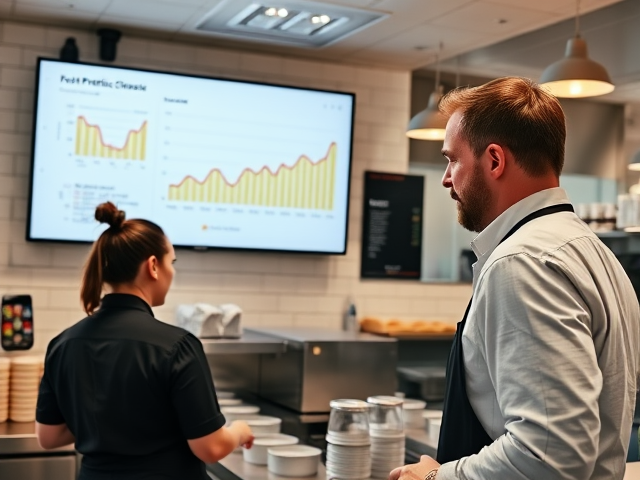
One of the most overlooked causes of frustration is not the queue itself — it's the mismatch between customer volume and staff capacity. A busy lunch hour with one register open isn't just inconvenient; it's a direct insult to every customer walking through the door.
In F&B Australia and New Zealand, where labour costs are among the highest in the Asia-Pacific region, predictive staffing isn't just a customer service tool. It's a financial imperative.
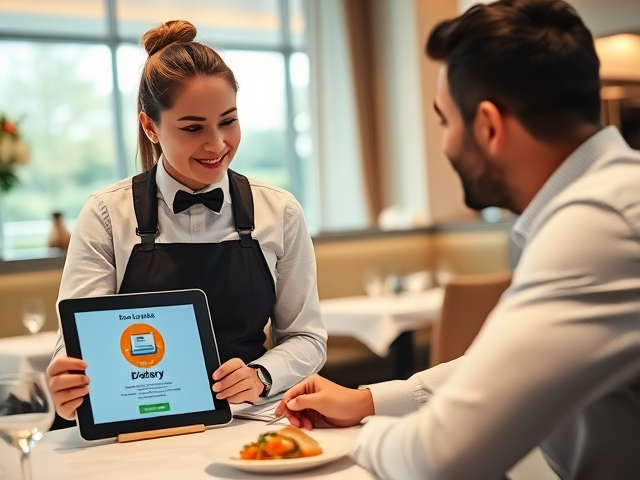
Not all customers need the same service. A mortgage enquiry requires a specialist. A dietary restriction at a restaurant requires a knowledgeable server. A product return requires a trained returns desk. Yet too many businesses still route every customer to the next available person — regardless of expertise.
The businesses that will thrive in F&B Australia and New Zealand are the ones that treat every customer interaction as an opportunity to demonstrate expertise — not just availability.
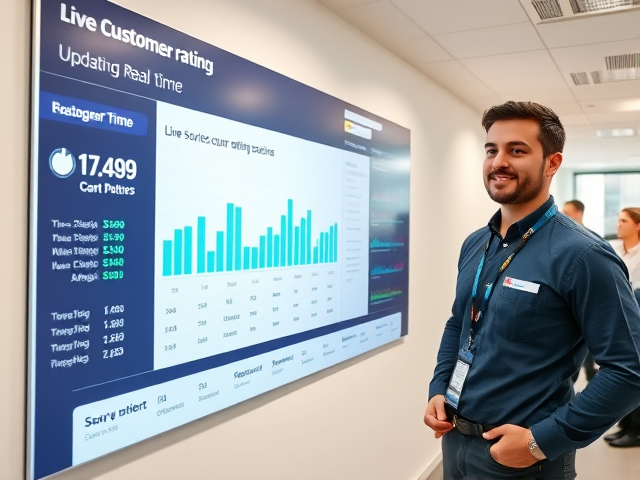
Traditional feedback mechanisms — email surveys sent days after a visit — are dead. By the time a customer responds, the experience has faded, the frustration has cooled, and the data is irrelevant.
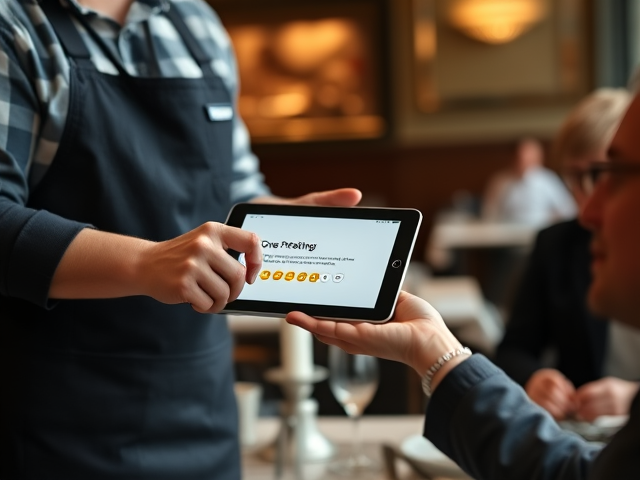
The modern expectation is simple: a quick one-tap rating right after service. This real-time feedback loop gives businesses immediate insight into what's working and what isn't. Organisations that act on this data see faster service quality improvement cycles — and faster recovery from any negative impression.
When a customer rates a visit poorly, the business can respond immediately — not days later. That responsiveness itself becomes a trust-building moment. And when the rating is positive, that data becomes fuel for marketing, reviews, and brand reputation growth.
Waiting is over for delayed feedback. The businesses that capture, analyse, and act on real-time ratings will outpace their competitors in service quality and customer loyalty.
Every minute a customer waits in a physical queue, every moment they're left guessing about wait times, and every interaction where they feel like a number instead of a person — that's a hit to your reputation. And in the age of social media and instant reviews, that hit can be permanent.
Consider the F&B Australia and New Zealand market. Competition is fierce. Margins are tight. And customers have more options than ever before. A single negative review about a long wait can deter dozens of potential customers. A single positive review about a seamless experience can attract them.
The businesses that invest in queue management today aren't just solving a logistical problem. They're protecting their brand, their reputation, and their future revenue. The businesses that don't are gambling with customer loyalty they can't afford to lose.
Your customers won't do it anymore. They won't tolerate invisible queues, opaque wait times, mismatched service, or delayed feedback. They'll go elsewhere — and they'll tell everyone they know.
The five trends outlined above — invisible queuing, real-time transparency, personalised routing, predictive staffing, and instant feedback — aren't isolated innovations. They're interconnected elements of a single shift: the customer now controls the experience, and the business must adapt or lose.
Waiting is over — for customers, and for businesses that want to stay competitive in F&B Australia and New Zealand. The question is no longer whether you can afford to implement queue management. It's whether you can afford the frustration, lost sales, and damaged brand reputation of waiting one day longer.
Your customers won't wait anymore. Neither should your business. Discover how QueueBee's queue management system delivers invisible queuing, real-time transparency, personalised service routing, predictive staffing, and instant feedback — all in one platform.
Contact us today for a personalised solution