
Walk into any busy GP clinic across Australia on a Monday morning and you will see it — rows of patients waiting, some seated, some standing, all wondering how long they will be before their turn. For general practice clinics, managing patient flow is not just an operational detail; it is a daily challenge that directly impacts patient satisfaction, staff wellbeing, and the overall quality of care delivered.
Australian healthcare providers face unique pressures. With an ageing population, increasing chronic disease management, and seasonal spikes in demand, GP clinics are constantly balancing limited consultation rooms against growing patient numbers. Without a structured queue management system, clinics risk long wait times, frustrated patients, and overwhelmed staff — all of which erode trust in the practice.
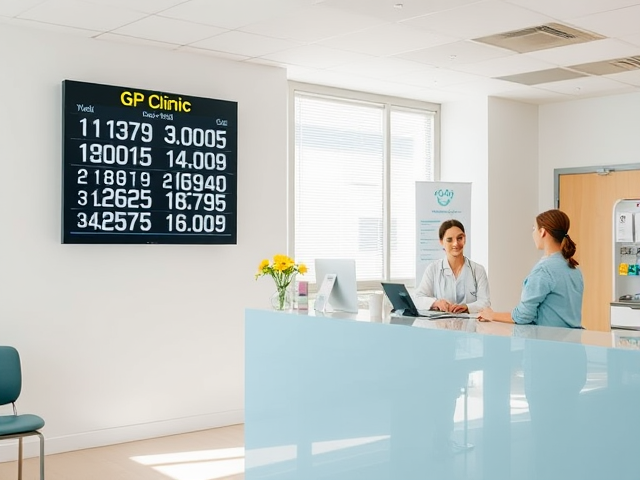
In healthcare, time is not just a convenience — it is a matter of patient wellbeing. Long waiting rooms create stress for patients who may already be unwell, and they create operational bottlenecks that slow down the entire clinic. A queue management system addresses these issues by bringing order, predictability, and transparency to patient flow.
This is crucial to consider because the impact of unmanaged queues goes beyond temporary frustration. It leads to lasting dissatisfaction, missed appointments, and patients seeking care elsewhere. In a competitive healthcare landscape, clinics that fail to manage patient flow effectively risk losing trust and patient loyalty.
Types of Queue Management for GP Clinics
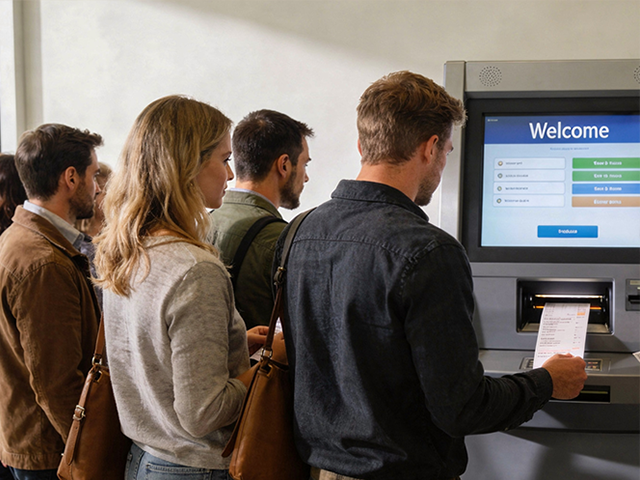


Did you know most patients only wait around 5 to 10 minutes before dissatisfaction sets in? A recent study indicates that the 'Rule of Six' — exactly 5 minutes and 54 seconds — is how long people are willing to wait before patience starts running thin. For GP clinics, exceeding this threshold means frustrated patients and damaged reputations.
Prolonged waits are more than a minor annoyance; they can lead to significant patient dissatisfaction. The longer a patient waits, the more likely they are to feel their time is not valued, which can negatively impact their perception of the clinic's quality of care.
This is where a smart queue system makes a difference. By ensuring wait times stay within an acceptable range, clinics show respect for patients' time and improve their perception of the practice. Incorporating a virtual queue system takes this further by eliminating physical lines and enabling patients to wait comfortably from home, while the clinic manages the queue efficiently behind the scenes.
Communication is key, isn't it? Especially when it comes to waiting, knowing what's going on can make all the difference. No patient likes being left in the dark, wondering how much longer they will have to wait before seeing their GP. That is where improved communication through an advanced queue management system comes into play.
Imagine a system where patients get real-time updates about their wait status. Instead of feeling lost in an endless queue, they are kept informed every step of the way. This transparency does wonders:
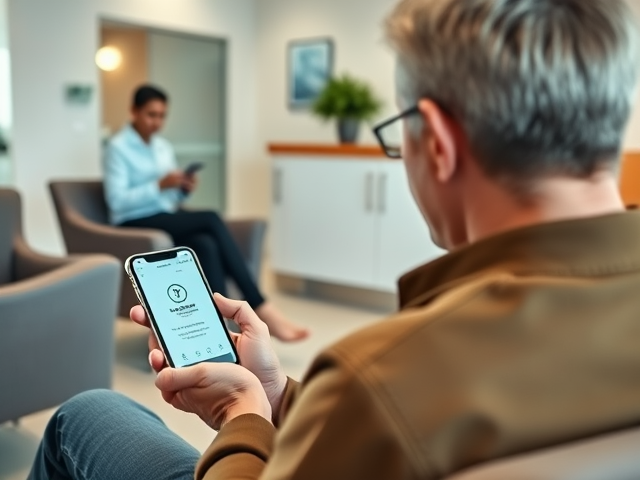
By integrating seamless communication into the queuing process, GP clinics keep patients informed and engaged. Whether through SMS notifications, WhatsApp messages, or digital displays in the waiting room, patients stay updated. This not only smooths out the waiting experience but also reinforces the clinic's commitment to patient care.
In the dynamic world of healthcare, efficiently managing patient flow is essential for providing a positive patient experience. It is about ensuring that every patient is smoothly guided to where they need to be, reducing wait times, and creating an orderly environment within the clinic.
Efficient patient flow management is vital for any GP clinic. It is not just about guiding people; it is about creating an orderly, comfortable environment where patients feel respected and valued. This approach does not just solve logistical issues — it enhances the entire patient experience.

In today's competitive healthcare market, outstanding patient service is essential. It is the difference between a patient who returns and one who does not. Here is how effective queue management system software plays a crucial role in elevating patient service standards in GP clinics:
Effective patient service is a continuous journey of understanding and responding to patient needs. Implementing a robust queue management system is a powerful step in this journey, ensuring that every interaction counts towards building a strong, lasting relationship with patients.

Imagine the daily experience of a GP clinic reception team. They manage phone calls, appointment bookings, patient check-ins, and the constant pressure of a growing waiting room. When patients are frustrated by long waits, that frustration often lands on the staff. Imagine such interactions recurring 10 to 20 times a day. It is easy to see how even indirect negative feedback can start weighing heavily on even the most dedicated clinic staff.
Consistently facing patient dissatisfaction can be tough. It is not just about the occasional complaint; it is the daily grind of dealing with unhappy patients that can really get to you. This is not just demoralising; it can sap the motivation right out of a team. Trying to keep up quality service in the face of constant negativity? That is a tall order for anyone.
Here is where QueueBee's queue management system software can make a world of difference. By streamlining the waiting process and keeping patients informed, much of this stress can be alleviated. No more dealing with the frustration of patients caught off guard by long waits.
Imagine a system where patients know exactly what to expect and when. They are less likely to take out their frustration on staff because they are not caught in an endless loop of uncertainty. This kind of transparency does not just help patients; it takes a load off the staff too.
And when staff are not constantly putting out fires caused by long waits and poor communication, they are free to do what they do best: provide outstanding patient care. They can focus on enhancing the patient experience, personalising interactions, and really connecting with patients. This not only improves morale among the team but also elevates the overall service quality.
In the world of healthcare management, inefficiencies are more than just inconveniences; they directly impact your bottom line. Long, unmanaged patient queues not only escalate operational costs but can also lead to missed revenue opportunities. Take, for instance, patients who leave the clinic without being seen due to long waits. Had they stayed, their consultation would have generated revenue for the practice.
QueueBee's Queue Management System Makes a Difference:
The impact of a system like QueueBee's can be substantial. By improving productivity and efficiency, it opens the door to significant operational cost savings. Imagine if the avoided loss from patients leaving without being seen was replicated across multiple patients daily. That is the potential of reducing operational inefficiencies by up to 90% with QueueBee's system.
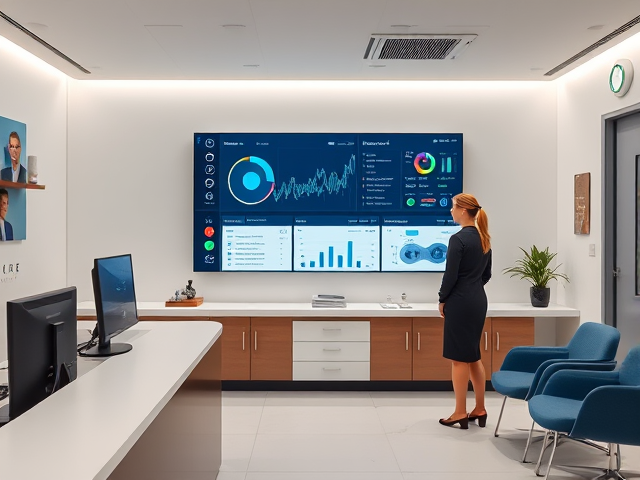
QueueBee's virtual queue system does more than just manage lines; it provides data across your entire patient journey. This data is key to making smarter, more informed decisions in your clinic.
Ready to revolutionise your patient experience? Discover how QueueBee's queue management system can transform your GP clinic's operations, reduce wait times, and improve patient satisfaction.
Contact us today for a personalised solution