
Adelaide's business landscape in 2026 looks nothing like it did just a few years ago. Across the city, from the bustling Adelaide CBD to the suburban clinics of Modling and the retail hubs of Glenelg, businesses have undergone a quiet but profound transformation. The common thread? The adoption of a modern queue management system that replaced outdated ticketing methods with intelligent digital solutions.
Consider the experience of Sarah, a regional manager at a busy Adelaide medical centre. In 2023, her facility dealt with an average of 120 patients daily, with wait times regularly exceeding 45 minutes during peak hours. Frustrated patients, overwhelmed reception staff, and declining satisfaction scores painted a challenging picture. That changed when the centre implemented a virtual queue system, allowing patients to join the queue remotely and receive real-time updates via SMS and WhatsApp. Within three months, average wait times dropped to under 12 minutes, and patient satisfaction scores climbed by 38 per cent.
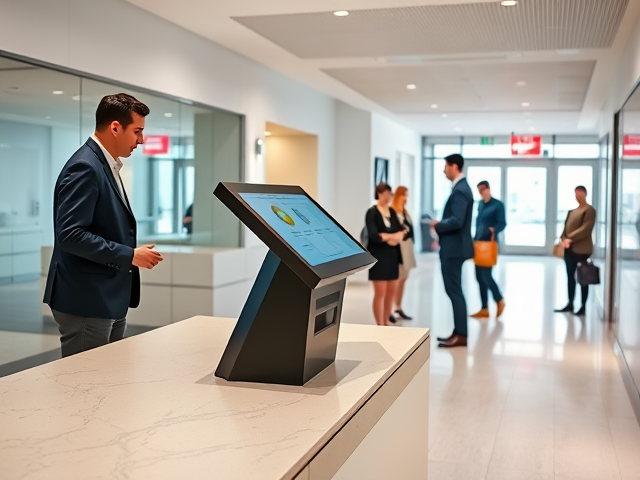
Adelaide's competitive service sector has reached a tipping point. With rising customer expectations shaped by digital-first experiences across industries, the old model of standing in physical lines is no longer acceptable. A 2025 survey of South Australian consumers revealed that 73 per cent would abandon a business after waiting more than 10 minutes, and 61 per cent had taken their business elsewhere due to poor queue experiences.
This shift has prompted Adelaide businesses across healthcare, retail, hospitality, and professional services to invest in a smart queue system that not only manages customer flow but also delivers actionable data, reduces operational costs, and elevates the overall brand experience. The case studies below illustrate how real Adelaide businesses have achieved measurable results through digital queue transformation.
Real transformation stories from Adelaide businesses across key industries
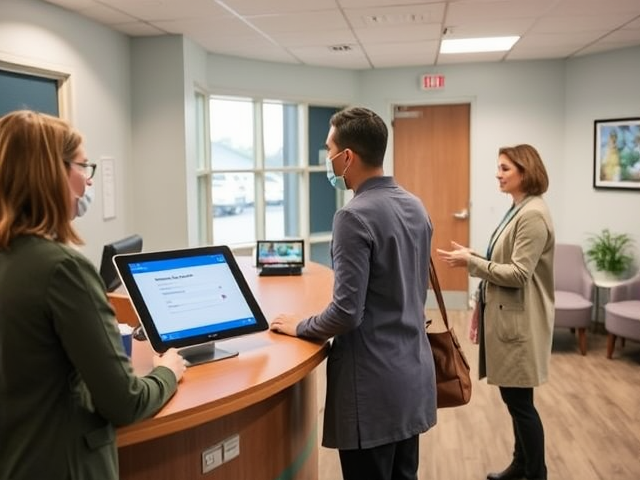
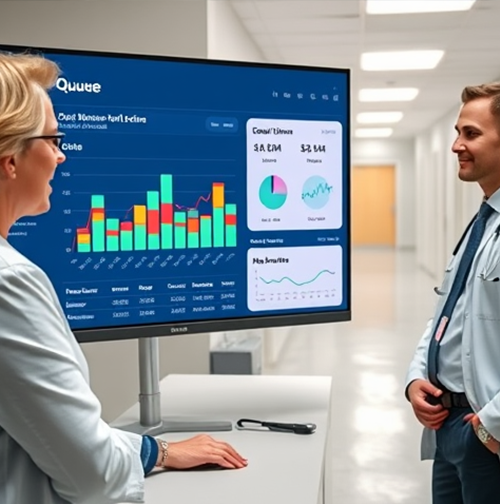
Adelaide's healthcare sector has been at the forefront of queue management system adoption. The Modling Family Medical Centre case study demonstrates how a virtual queue system can address the most persistent challenges in medical practice management. Long wait times, patient no-shows, and overcrowded waiting rooms are not just operational headaches; they directly impact patient outcomes and staff wellbeing.
By integrating automated SMS and WhatsApp notifications, the centre ensured patients received timely reminders and real-time queue updates. This eliminated the need for patients to sit in crowded waiting rooms and gave them the flexibility to manage their time more effectively. The result was a dramatic improvement in both operational efficiency and patient satisfaction, proving that a queue management system is not just a convenience but a necessity in modern healthcare delivery.
The data analytics provided by the system also enabled the practice to identify peak hours, optimise staff scheduling, and allocate resources more effectively. This data-driven approach to queue management has become a benchmark for other Adelaide healthcare providers looking to improve their service delivery.
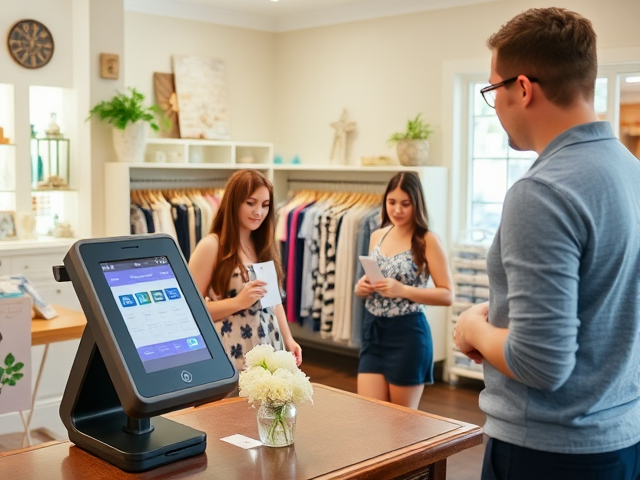
In Adelaide's retail sector, particularly in high-traffic areas like Glenelg and the CBD, long checkout queues are a silent revenue killer. The Glenelg Coastal Boutique case study illustrates how a smart queue system transformed the customer journey and directly impacted the bottom line.
The boutique implemented a digital queue system that allowed customers to join the queue remotely via a web link, receive real-time updates on their phone, and arrive just before their turn. This approach delivered several measurable benefits:
For Adelaide retailers, the lesson is clear: a queue management system is not just about managing lines; it is about creating a smoother, more enjoyable customer journey that drives revenue and builds loyalty.
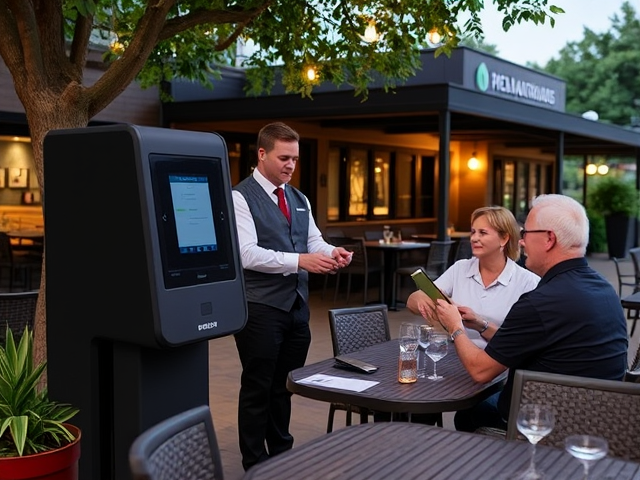
Adelaide's hospitality industry faces unique queue management challenges. Diners expect prompt service, but kitchen capacity and table availability are inherently unpredictable. The Adelaide Parklands Restaurant case study shows how a hybrid queue system bridged this gap effectively.
For Adelaide's hospitality sector, the takeaway is straightforward: a smart queue system transforms the waiting experience from a negative into a positive, directly impacting revenue through reduced walk-aways and increased table turnover.
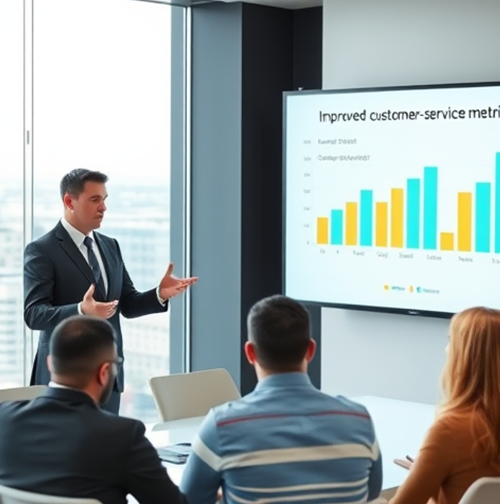
While each Adelaide business has its own unique challenges, the case studies reveal consistent outcomes that demonstrate the broad value of a queue management system. Across healthcare, retail, and hospitality, businesses have experienced the following improvements:
These outcomes are not isolated to a single industry or business size. Whether it is a small Adelaide clinic, a mid-sized retail store, or a busy restaurant, a queue management system delivers measurable value that justifies the investment.
Across every Adelaide case study examined, one outcome stands out above all others: a dramatic improvement in staff efficiency. When businesses replaced manual queue management with a smart queue system, they did not simply solve a customer-facing problem — they fundamentally changed how their teams worked, freeing staff from reactive crowd management and empowering them to deliver proactive, high-quality service.
Before the transition, staff at Adelaide businesses spent an estimated 30 to 40 per cent of their working hours on queue-related tasks: directing customers, managing complaints from frustrated waiters, estimating wait times, and manually organising service order. These are not value-adding activities. A smart queue system automates all of these functions, returning that time to staff and allowing them to focus on what they were hired to do.
The efficiency gains differ in form across industries, but the outcome is consistent. At the Modling Family Medical Centre, reception staff who previously managed a crowded waiting room of 20 or more patients at a time now oversee a virtual queue that updates automatically. At Glenelg Coastal Boutique, checkout assistants engage in meaningful customer conversations instead of managing restless lines. At Adelaide Parklands Restaurant, front-of-house staff know exactly when guests will arrive, allowing them to time table preparation with precision.
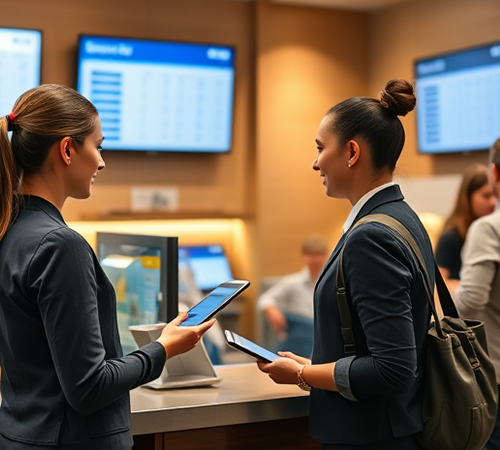
Adelaide businesses that adopted a smart queue system reported an average of 35 per cent improvement in staff productivity within the first six months of implementation. Critically, this improvement is self-reinforcing: when staff are more productive, they experience less stress, which reduces absenteeism and turnover — two of the most significant hidden costs in service industries.
The compounding effect of enhanced staff efficiency is significant. When your team is no longer overwhelmed by crowd management, they deliver faster service, make fewer errors, and create genuinely positive interactions with customers. For Adelaide businesses operating in competitive service markets, that difference translates directly into stronger reviews, higher retention, and sustainable growth. In 2026, a smart queue system is not just an operational tool — it is a workforce investment.
The financial impact of queue transformation in Adelaide businesses extends far beyond customer satisfaction. Long, unmanaged queues cost businesses in multiple ways: lost sales from walk-away customers, increased staff overtime to manage peak loads, and the hidden costs of poor reputation and declining foot traffic.
The Adelaide case studies demonstrate tangible cost savings:
The return on investment for a queue management system in Adelaide is compelling. Businesses that have undergone digital queue transformation report payback periods of six to twelve months, with ongoing savings that compound over time as operations become more efficient.
One of the most powerful aspects of a queue management system is the data it generates. Adelaide businesses that have adopted this technology now have access to real-time analytics and historical insights that were previously unavailable.
For Adelaide businesses in 2026, a queue management system is no longer a luxury; it is a strategic imperative. The case studies from healthcare, retail, and hospitality demonstrate that digital queue transformation delivers measurable improvements in customer experience, staff efficiency, and operational cost savings. The businesses that have embraced this technology are not just surviving; they are thriving in a competitive market.
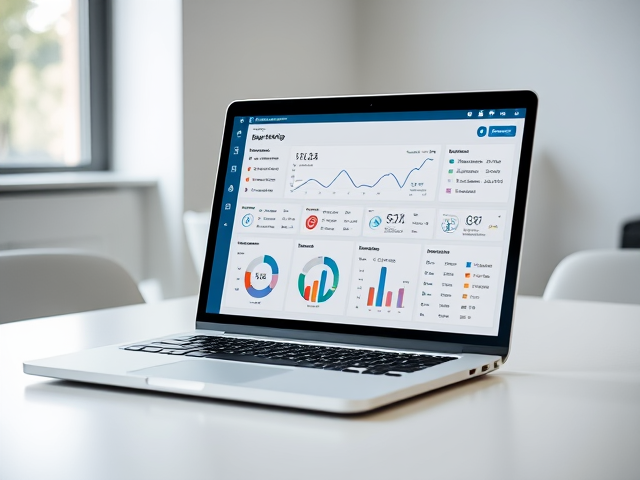
The Adelaide case studies prove that a queue management system delivers real, measurable results. Whether you run a medical centre, a retail store, or a hospitality venue, digital queue transformation can reduce wait times, boost customer satisfaction, and improve your bottom line.
Contact us today to discover how QueueBee's queue management system can drive transformation for your Adelaide business.