Across Australia, from bustling Sydney CBD retail stores to regional Queensland clinics, long queues remain one of the most persistent pain points for both customers and service providers. Whether it is a busy pharmacy in Melbourne, a crowded government service centre in Perth, or a peak-hour bank branch in Brisbane, the frustration of waiting is universal. Australian consumers have increasingly high expectations for speed and convenience, and when those expectations are not met, the consequences are real: lost revenue, damaged reputations, and declining customer loyalty.
The good news is that queue management Australia solutions have evolved dramatically in recent years. Digital queue solutions are no longer a luxury reserved for large corporations; they are practical, scalable tools that businesses of every size can deploy to cut queue lengths, improve service delivery, and create a smoother experience for everyone involved. This article explores the key lessons Australian organisations can learn from modern queue management systems and how they can apply them to reduce wait times across retail, healthcare, and public service sectors.
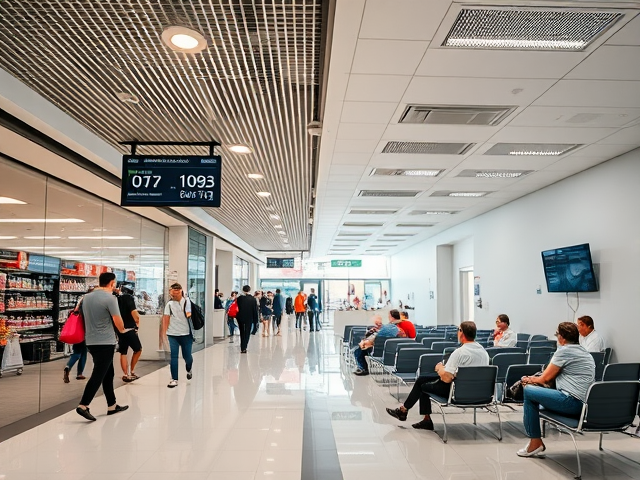
Australia's service economy is built on trust, convenience, and efficiency. Yet research consistently shows that Australian consumers are willing to wait only a few minutes before their satisfaction begins to drop. In retail, a long queue can mean a customer walking out and never returning. In healthcare, extended wait times can impact patient outcomes and wellbeing. In government and financial services, delays erode public confidence and increase pressure on frontline staff.
The cost of poor queue management extends beyond customer dissatisfaction. Businesses lose revenue from abandoned visits, staff morale suffers from constant pressure, and operational inefficiencies compound over time. For Australian organisations, adopting proven queue management strategies is not optional; it is a business imperative. By implementing the right digital queue solutions, businesses can transform their service delivery, improve customer flow optimization, and create a competitive advantage that resonates across the market.
Types of Queue Management Systems


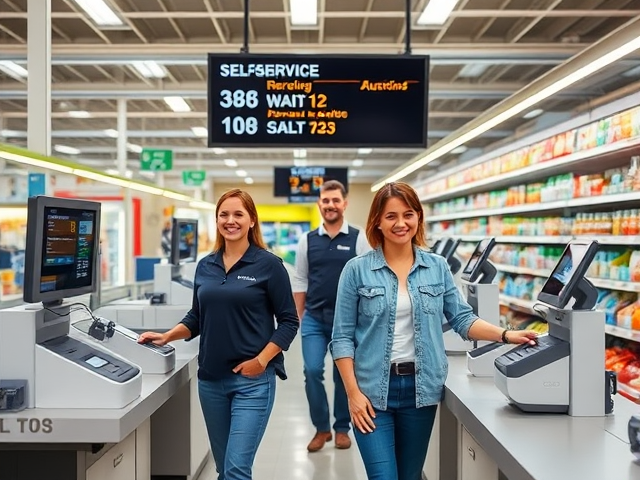
Australian retail is fiercely competitive, and nothing drives customers away faster than a long checkout line or a crowded fitting room queue. Research shows that customers begin to feel impatient after just five to ten minutes of waiting. Beyond that threshold, the likelihood of abandoned purchases and negative reviews increases dramatically. For Australian retailers, this means that queue management is directly tied to revenue retention.
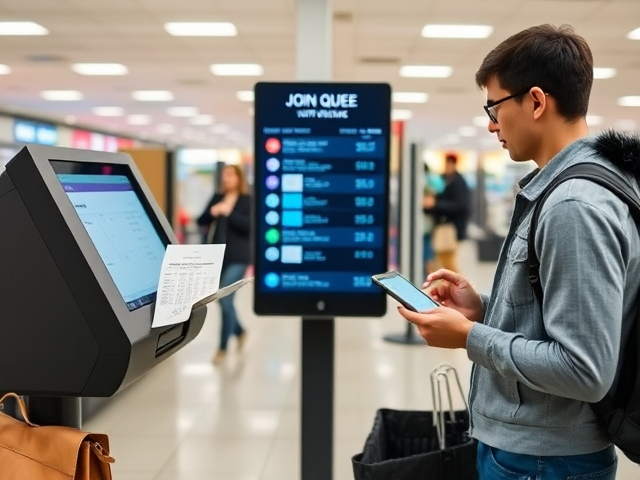
Digital queue solutions offer a practical path forward. By enabling virtual queuing, retailers allow customers to join a queue from their phone, browse the store at their own pace, and receive a notification when it is their turn. This eliminates the physical bottleneck at the checkout, reduces perceived wait times, and keeps customers engaged with the brand. The result is shorter actual wait times, higher conversion rates, and a more relaxed shopping environment.
Furthermore, queue management Australia platforms provide retailers with real-time analytics on peak hours, average service times, and customer flow patterns. Armed with this data, retailers can adjust staffing, open additional checkout lanes, or launch targeted promotions during quieter periods. This proactive approach to reducing wait times transforms queue management from a reactive problem into a strategic advantage.
Customer flow optimization is the backbone of any successful queue management strategy. In high-traffic environments such as government service centres, banks, and healthcare clinics, poor flow management leads to congestion, confusion, and frustrated staff. When customers do not know where to go, how long they will wait, or what to do next, the entire service experience breaks down.
Modern queue management systems address this by introducing structured, transparent, and predictable customer journeys. Here is how customer flow optimization works in practice:
For Australian organisations, customer flow optimization is not just about efficiency; it is about dignity. Every customer deserves to be treated with respect, and that starts with how their time is managed. When businesses invest in queue management solutions that prioritise flow, they signal to their customers that their time matters.
Healthcare is one of the most critical sectors where reducing wait times has a direct impact on patient wellbeing. In Australian hospitals and clinics, long waiting periods for appointments, triage, and treatment can cause significant stress for patients and their families. The pressure on public healthcare facilities is intensifying, and traditional paper-based or phone-based scheduling systems are no longer sufficient.
Improving patient appointment scheduling in Australian hospitals through digital queue solutions is not just a technological upgrade; it is a commitment to patient-centred care. By reducing wait times and streamlining the appointment process, healthcare providers can focus on what matters most: delivering quality care to every patient, every time.
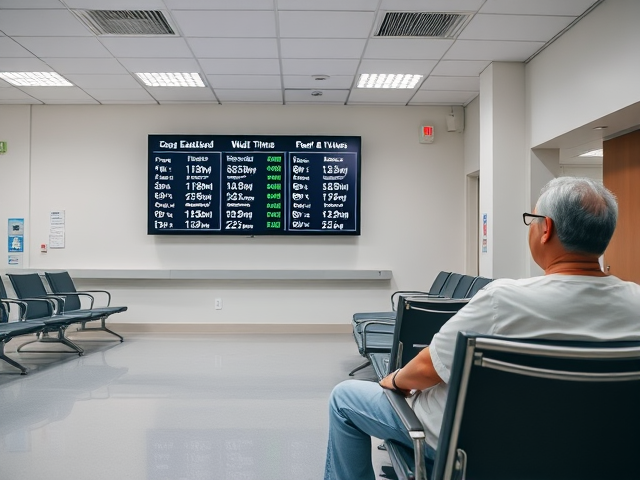
One of the most powerful lessons from queue management Australia research is that perceived wait time is often longer than actual wait time. When customers feel uncertain about how long they will wait, their frustration grows exponentially. Communication is the bridge between uncertainty and confidence.
Effective queue management systems keep customers informed at every stage. Whether through digital displays in the venue, SMS notifications, WhatsApp updates, or a customer portal, real-time communication transforms the waiting experience. Customers who know their position in the queue, the estimated wait time, and what to expect next are significantly more patient and satisfied than those left in the dark.
In the Australian context, where customer expectations are high and competition is intense, communication is not a nice-to-have; it is a necessity. Businesses that prioritise clear, consistent, and real-time communication through their queue management systems will consistently outperform those that do not.

Long queues do not only frustrate customers; they also take a heavy toll on staff. Frontline employees in Australian retail, healthcare, and public service sectors face constant pressure from impatient customers, leading to burnout, high turnover, and declining service quality. When staff are overwhelmed by unmanaged queues, their ability to deliver excellent service diminishes significantly.
Queue management systems alleviate this pressure by bringing order to chaos. With structured queues, clear prioritisation, and automated notifications, staff can focus on delivering service rather than managing lines. They know who is next, how long the queue is, and where resources are needed most. This clarity reduces stress, improves morale, and enables staff to perform at their best.
Moreover, when staff see that the business is investing in tools that make their jobs easier and their customers happier, engagement and retention improve. A motivated team is a productive team, and productive teams deliver better outcomes for the entire organisation. For Australian businesses, investing in queue management is an investment in both customer experience and employee wellbeing.
Inefficiencies caused by poor queue management carry a hidden cost that many Australian businesses overlook. Every abandoned visit represents lost revenue. Every hour staff spend managing lines instead of serving customers is an hour of productivity lost. Every complaint or negative review damages the brand and requires additional resources to repair.
Queue management Australia solutions address these costs directly by streamlining operations and eliminating waste. Here is how:
The financial case for queue management is clear. For Australian businesses operating in tight margins, every efficiency gain matters. Queue management systems deliver measurable ROI by reducing operational waste, increasing conversion rates, and improving customer lifetime value.
One of the most powerful advantages of modern queue management Australia systems is the wealth of data they generate. Every queue interaction produces valuable insights: average wait times, peak service hours, customer flow patterns, staff utilisation rates, and service duration metrics. This data is a goldmine for businesses looking to continuously improve their operations.
For Australian organisations, data-driven queue management is the difference between reacting to problems and preventing them. It enables continuous improvement, fosters a culture of accountability, and ensures that every decision is grounded in reality rather than guesswork.

From retail stores and healthcare clinics to government service centres and financial institutions, queue management Australia solutions are transforming how businesses serve their customers. Whether you need to cut queue lengths in your retail operation, improve patient appointment scheduling in your hospital, or optimise customer flow across multiple locations, QueueBee provides the digital queue solutions you need to deliver faster, smoother, and more satisfying service experiences.
Take the first step toward eliminating long waits and building a more efficient, customer-centric organisation. Contact QueueBee today for a personalised demo and discover how our queue management system can make a measurable difference for your business.